The AFEELA U.S. launch: 48 hires, no agencies.
A new vehicle brand from Sony and Honda, a U.S. launch on the calendar, and one recruiter inside the company. This is how the team got built.

A new vehicle brand from Sony and Honda, a U.S. launch on the calendar, and one recruiter inside the company. This is how the team got built.
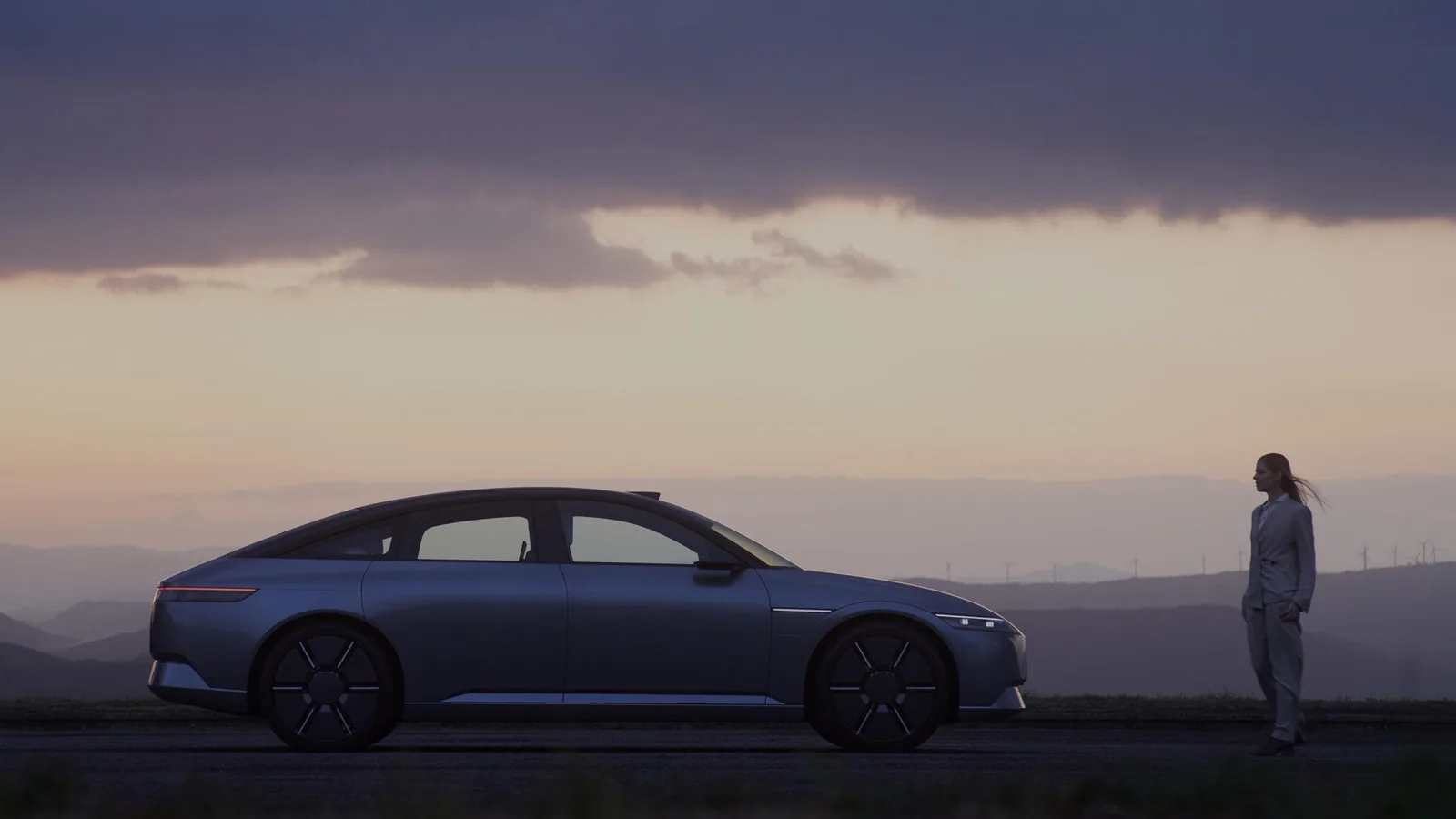
A year earlier, the AFEELA prototype rolled onto the Sony stage under the control of a PS5 DualSense controller, alongside a collaboration with Polyphony Digital, the studio behind Gran Turismo, and a demonstration of the car as a platform for Sony entertainment. The video starts at the Sony Honda Mobility segment.
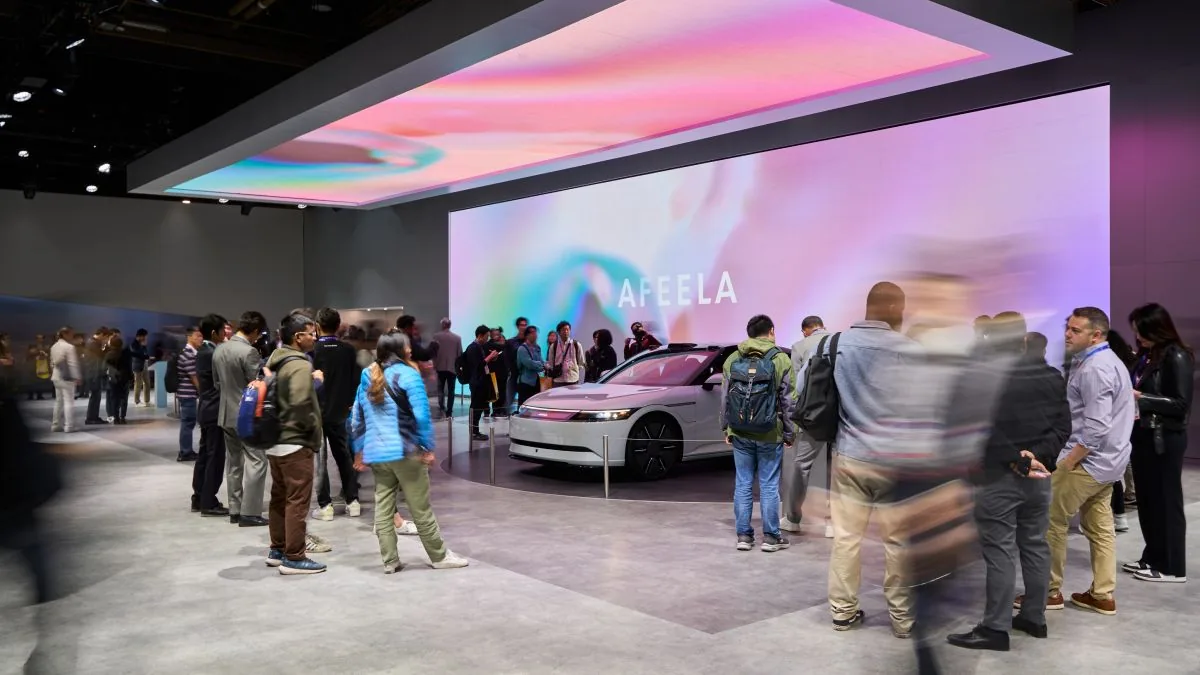
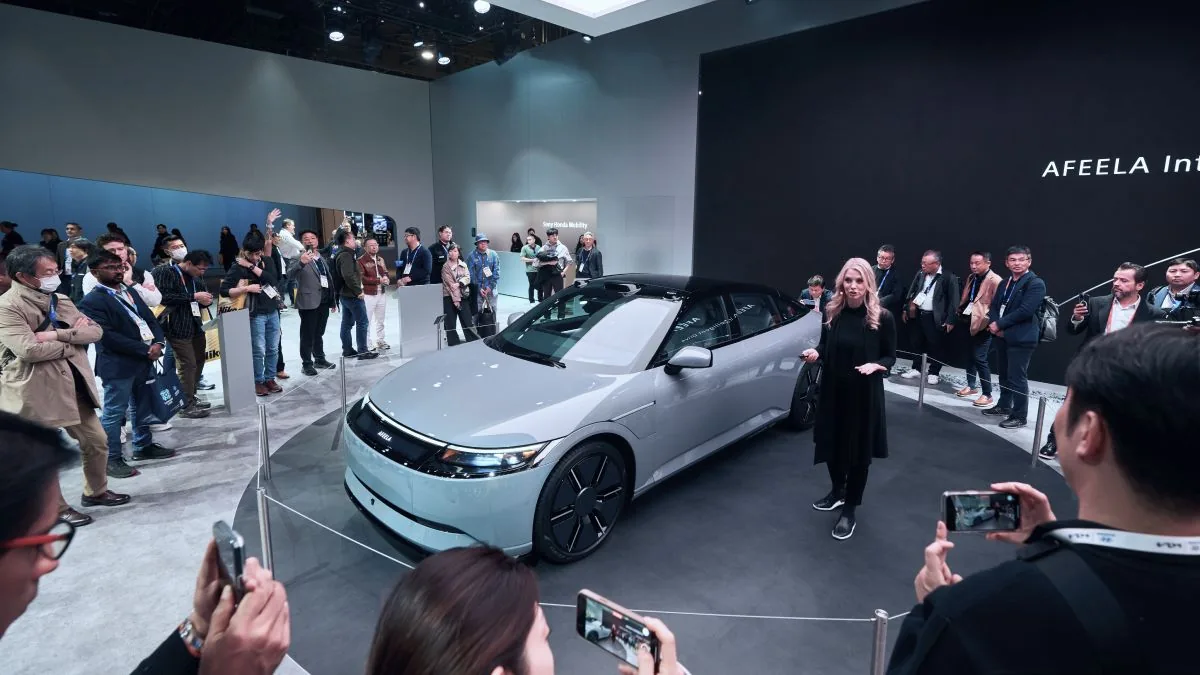
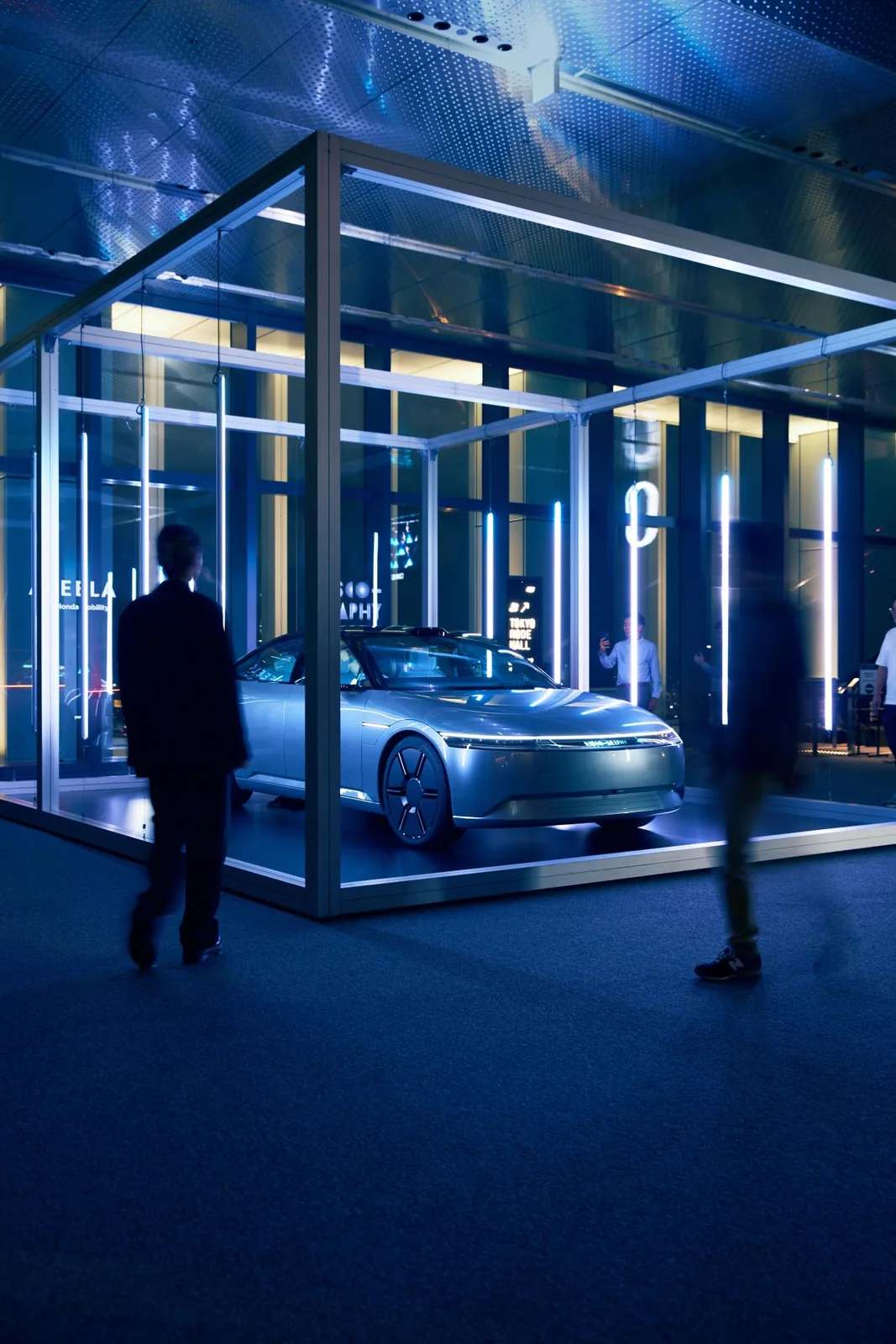
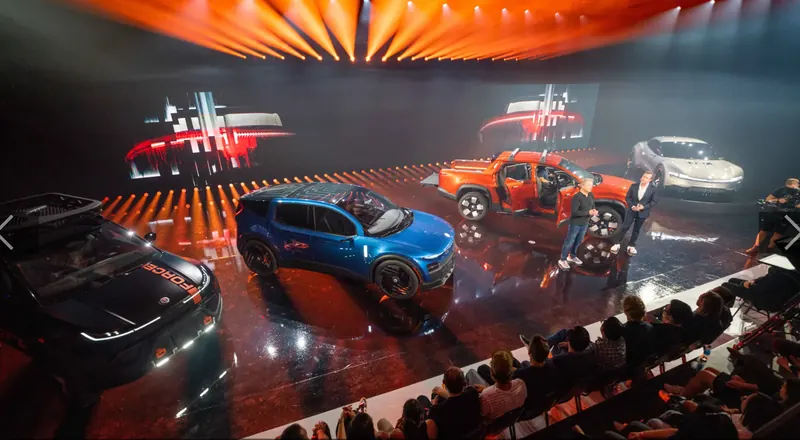
A year later, at Sony Honda Mobility’s first stand-alone CES press conference, the company showed pre-production AFEELA 1 cars built on the production line, announced California deliveries for 2026 with Arizona and Japan to follow, and then rolled out a second model: the AFEELA Prototype 2026, a larger body built on the AFEELA 1 concept with more space and accessibility, planned for the U.S. market as early as 2028. The video starts as the reveal begins.
Recording by CNET; the AFEELA channel’s own stream is no longer online.
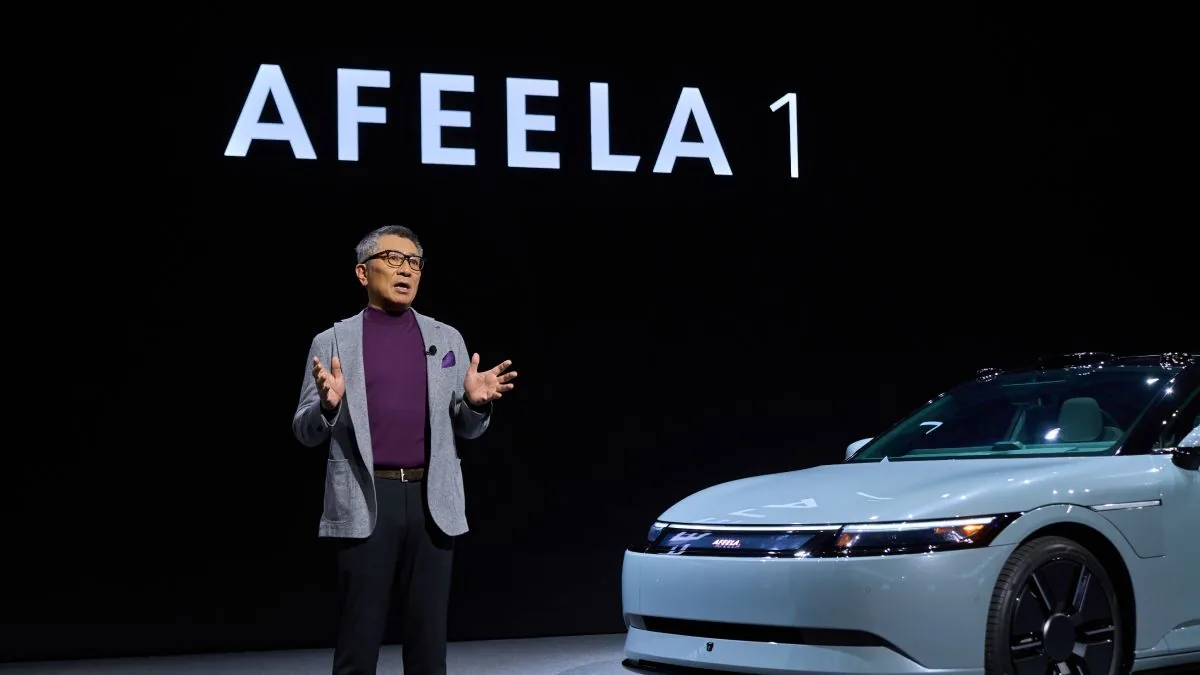
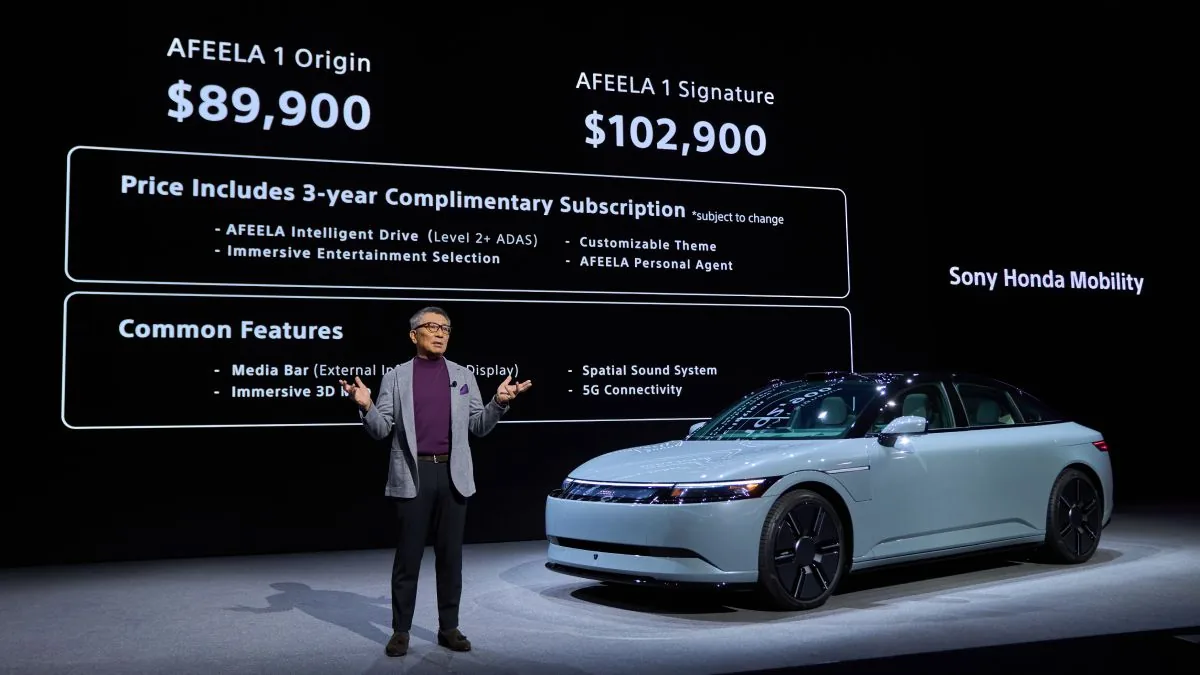
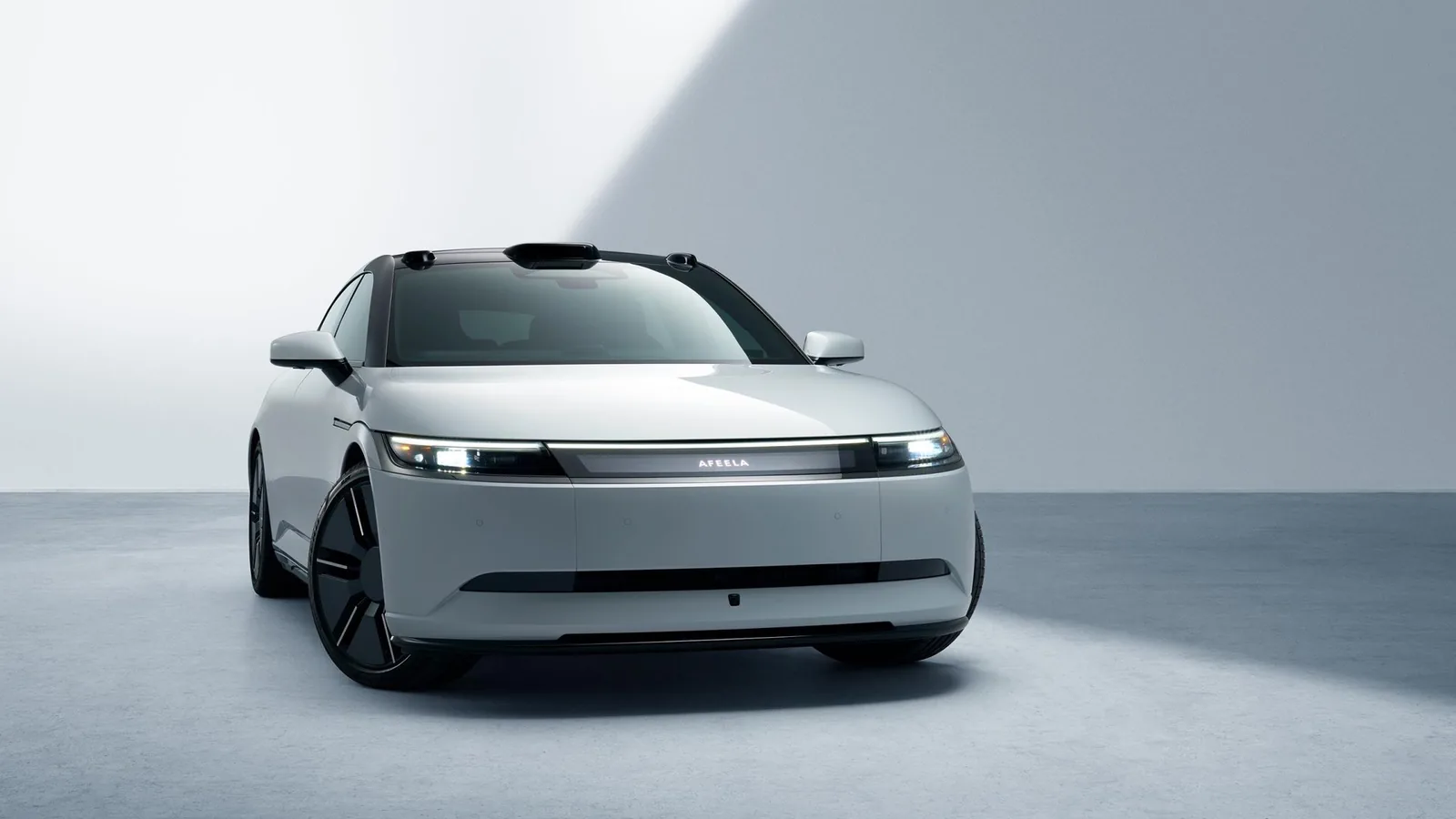
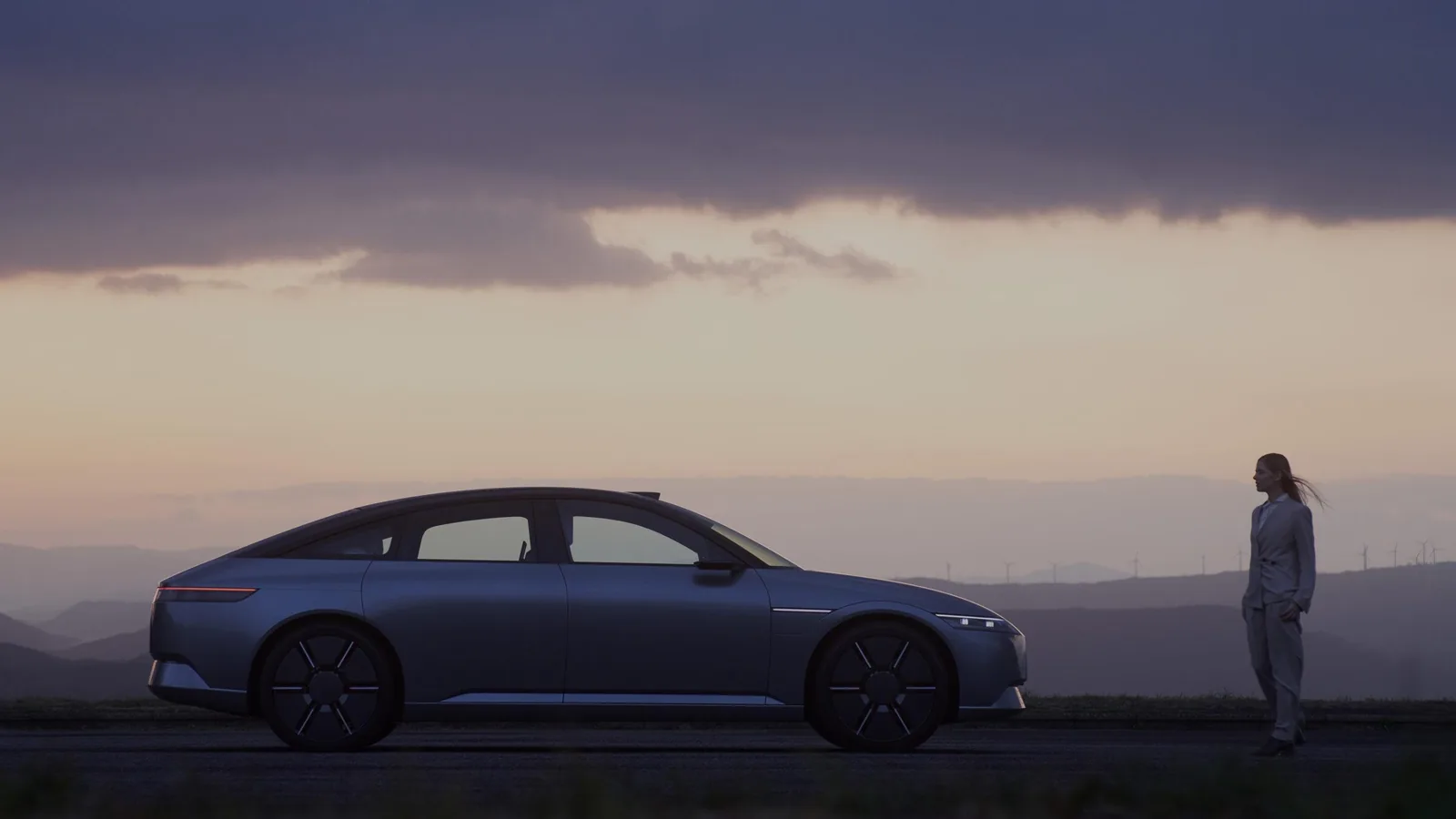
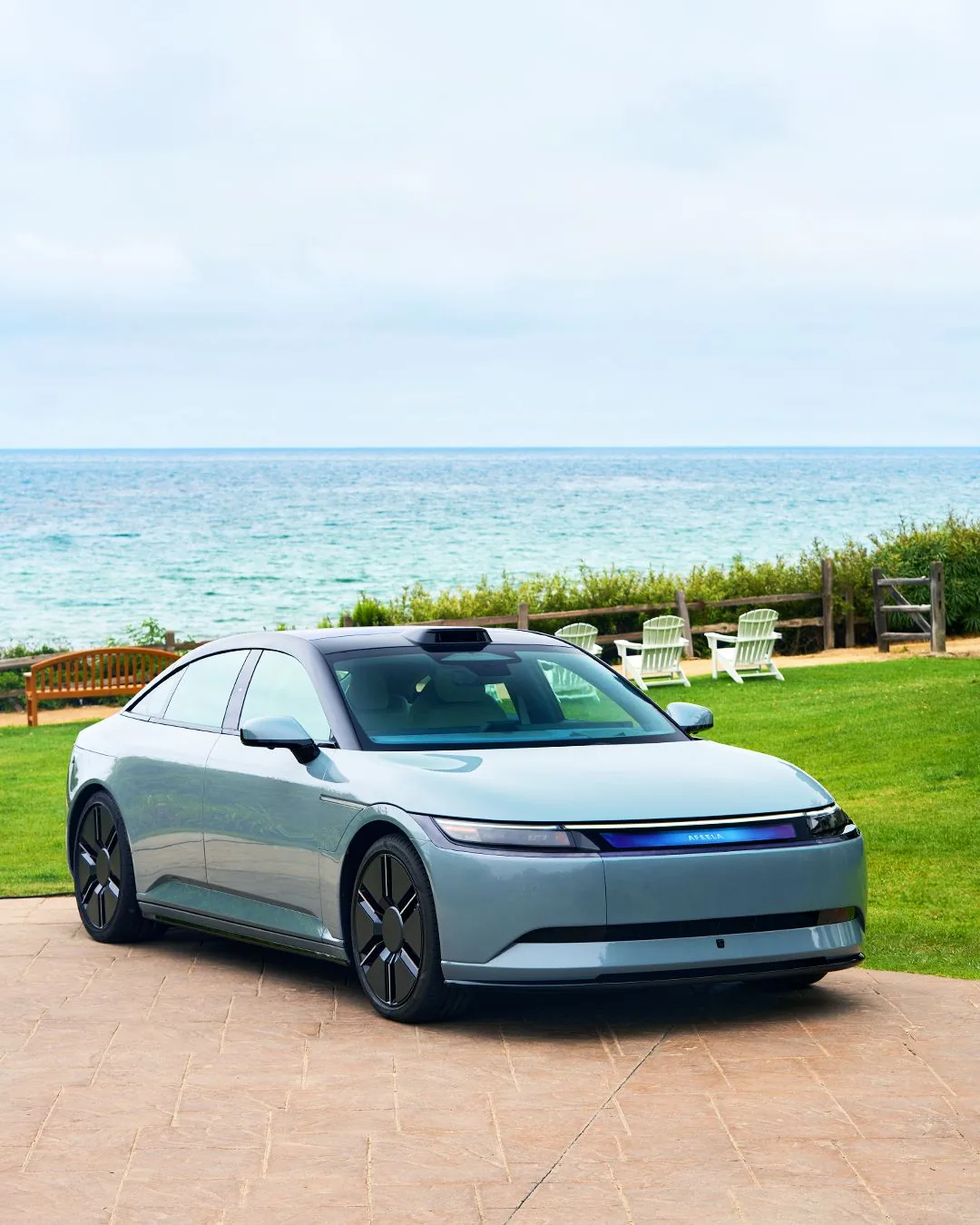
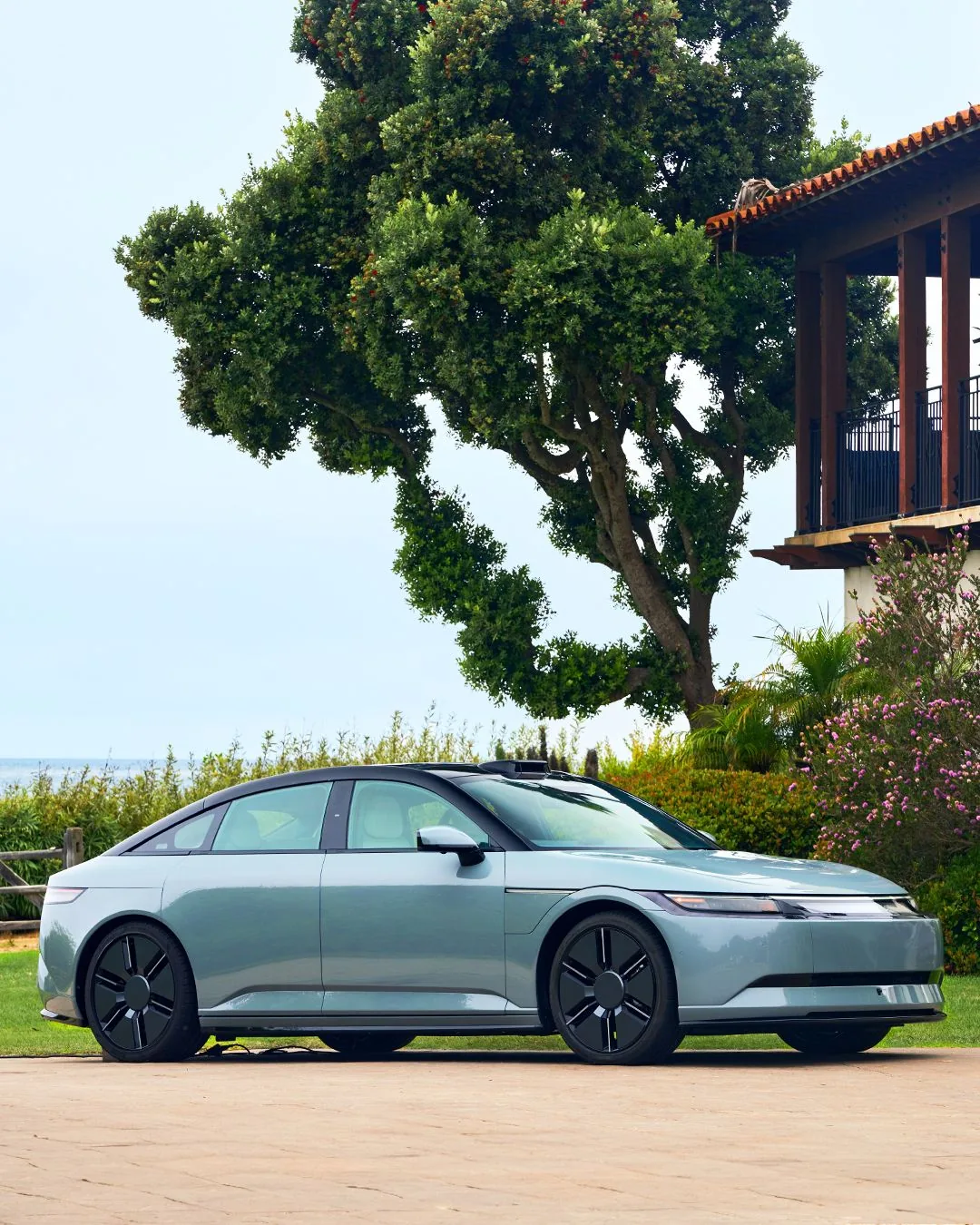
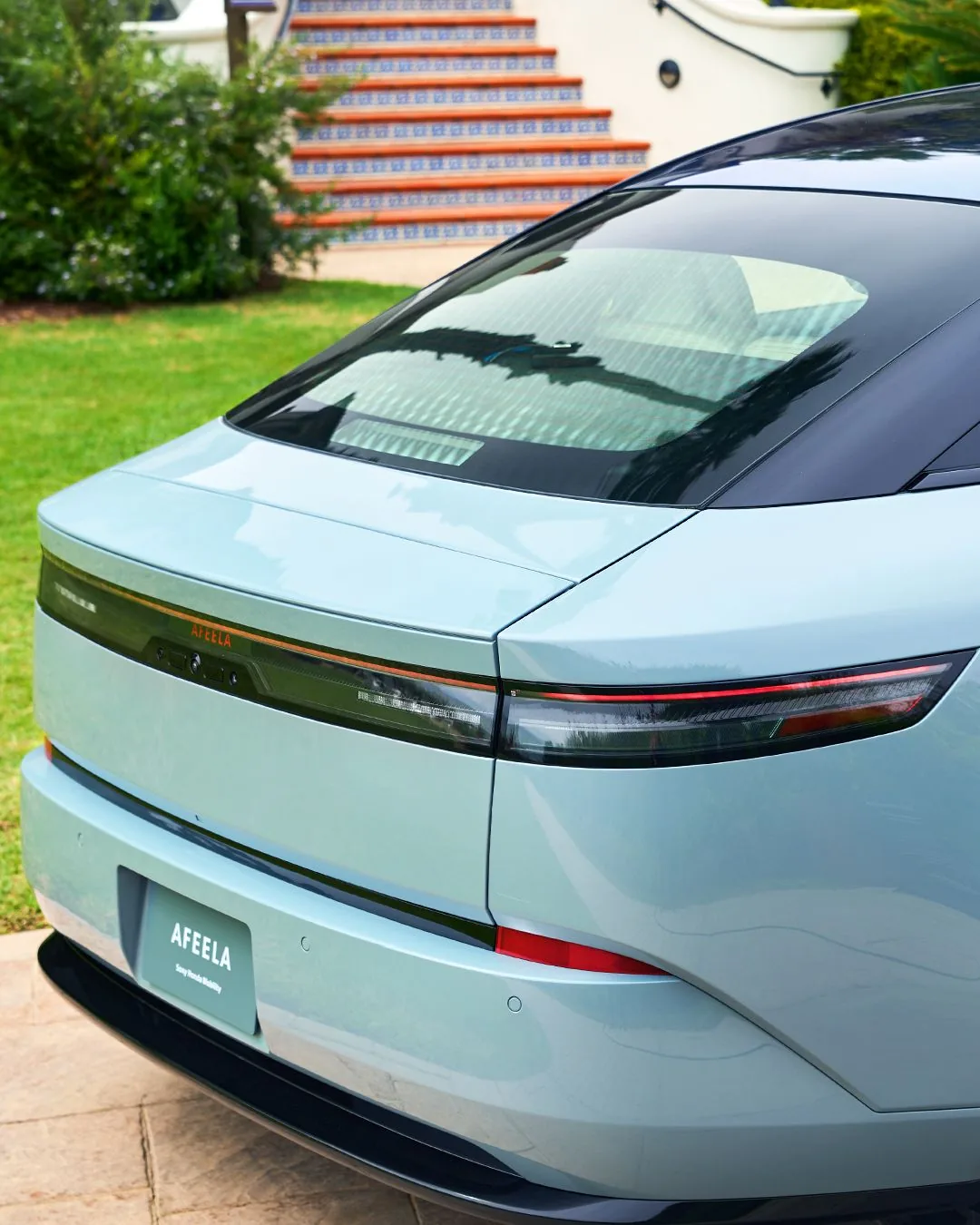
AFEELA began as Sony’s idea. Sony showed its Vision-S concept car at CES 2020, and in 2022 Sony and Honda formed Sony Honda Mobility, a 50/50 joint venture, to put Sony’s sensors, software and entertainment on a Honda-built foundation. The AFEELA brand and its first prototype debuted at CES 2023. The production car, the AFEELA 1, was revealed at CES 2025, priced from $89,900 for the Origin and $102,900 for the Signature, each with three years of services included.
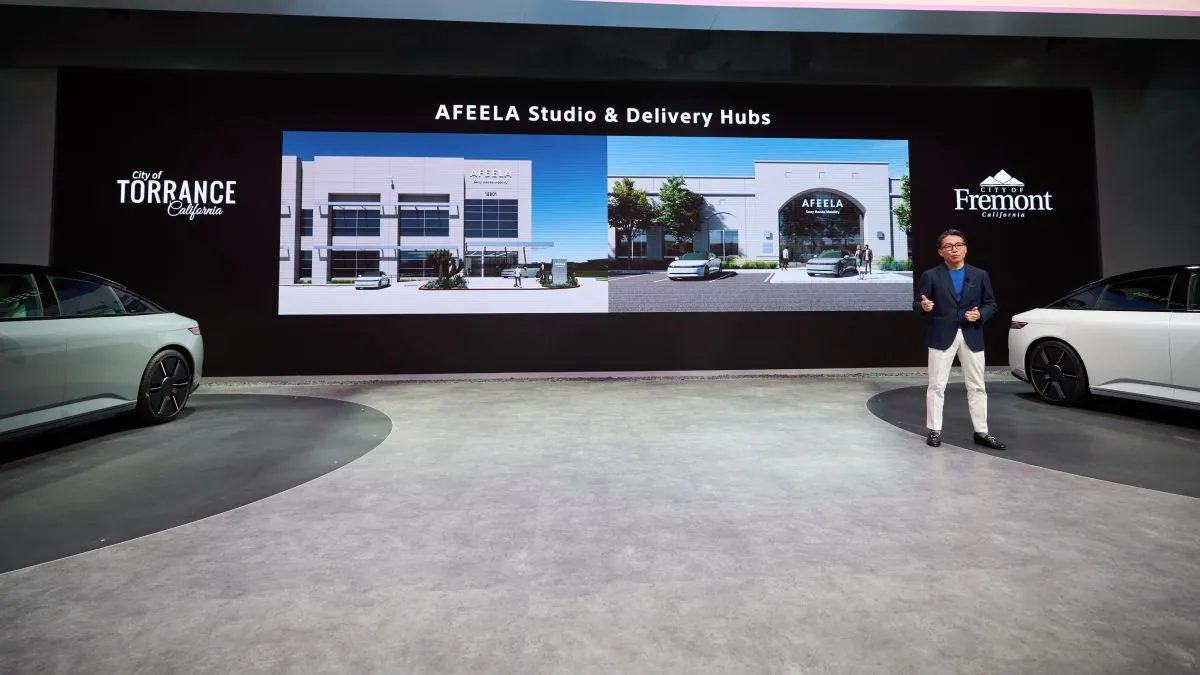
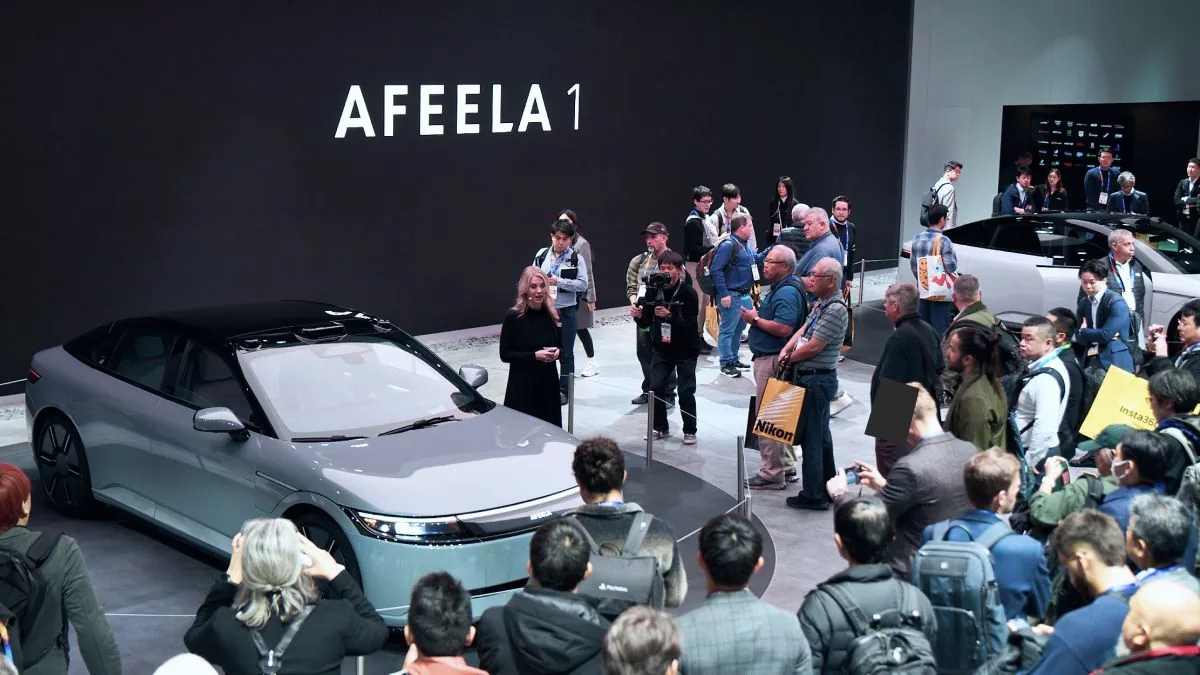
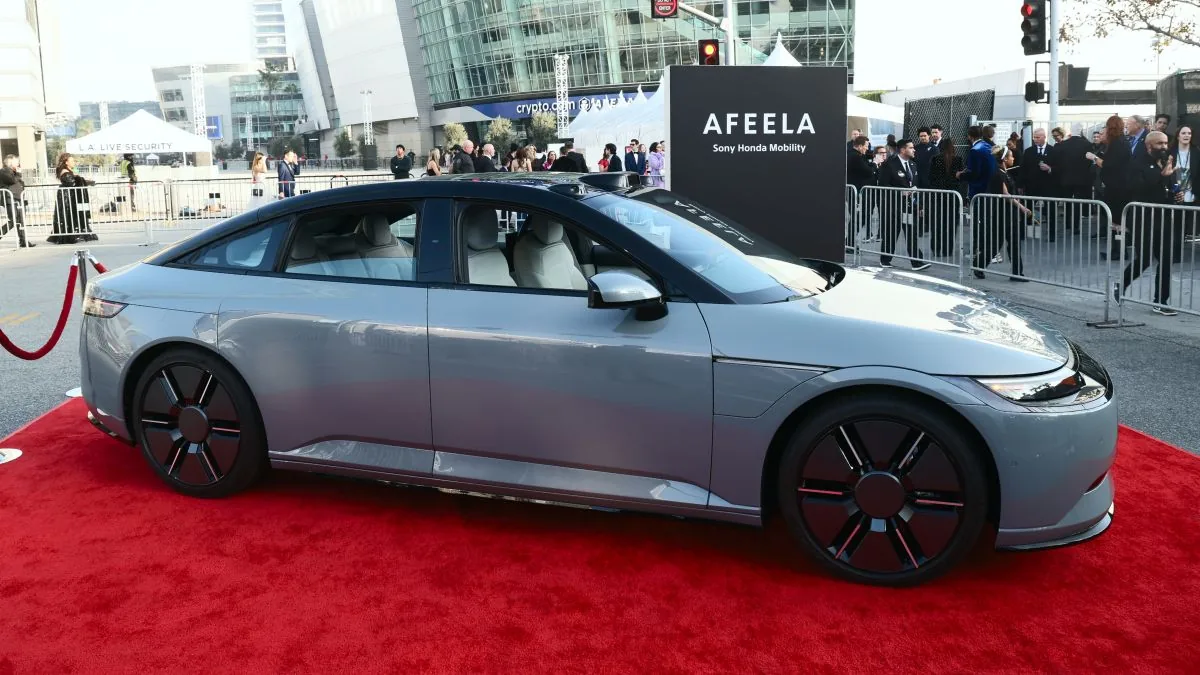
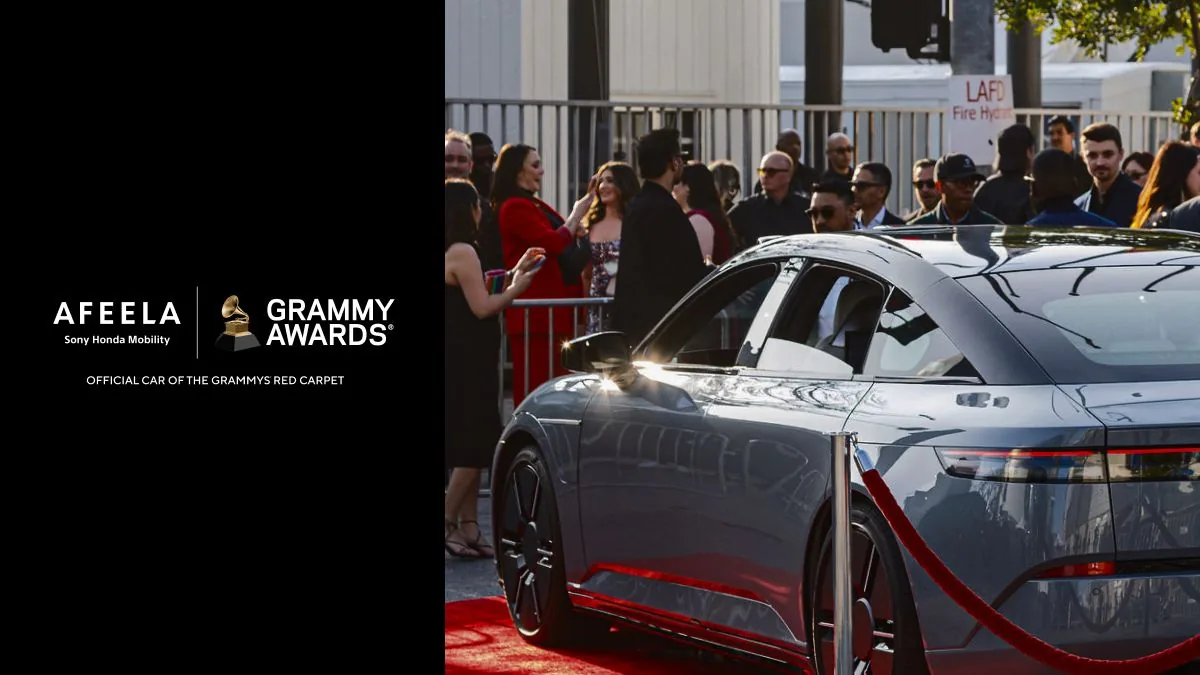
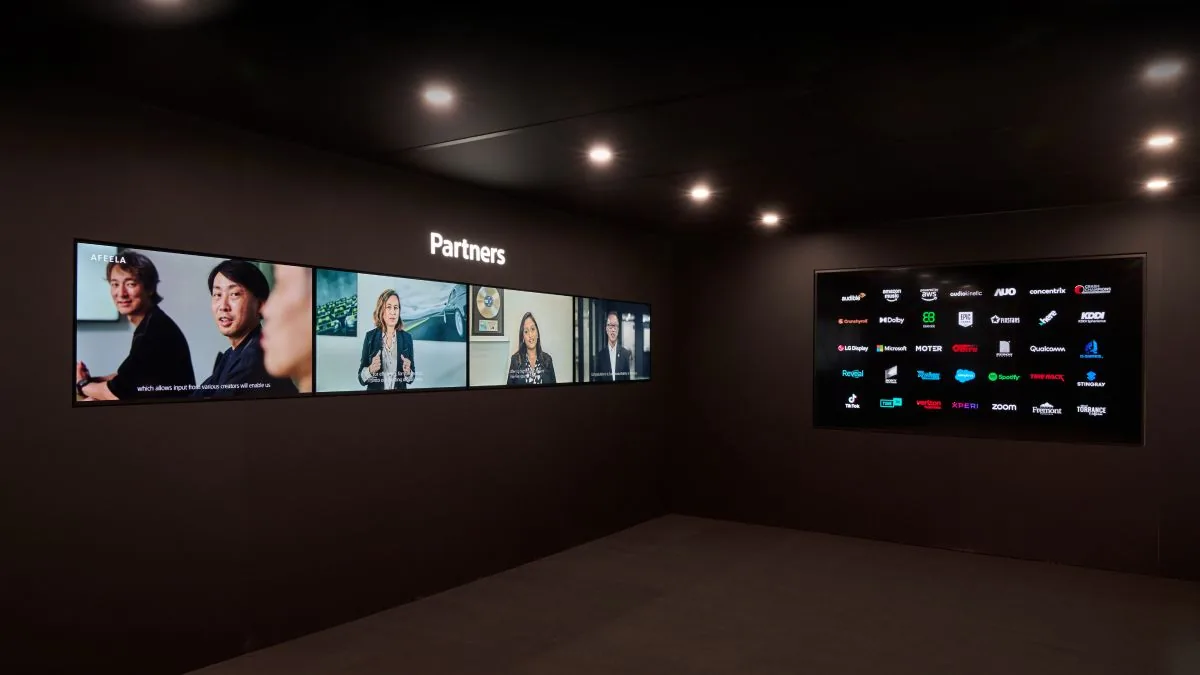
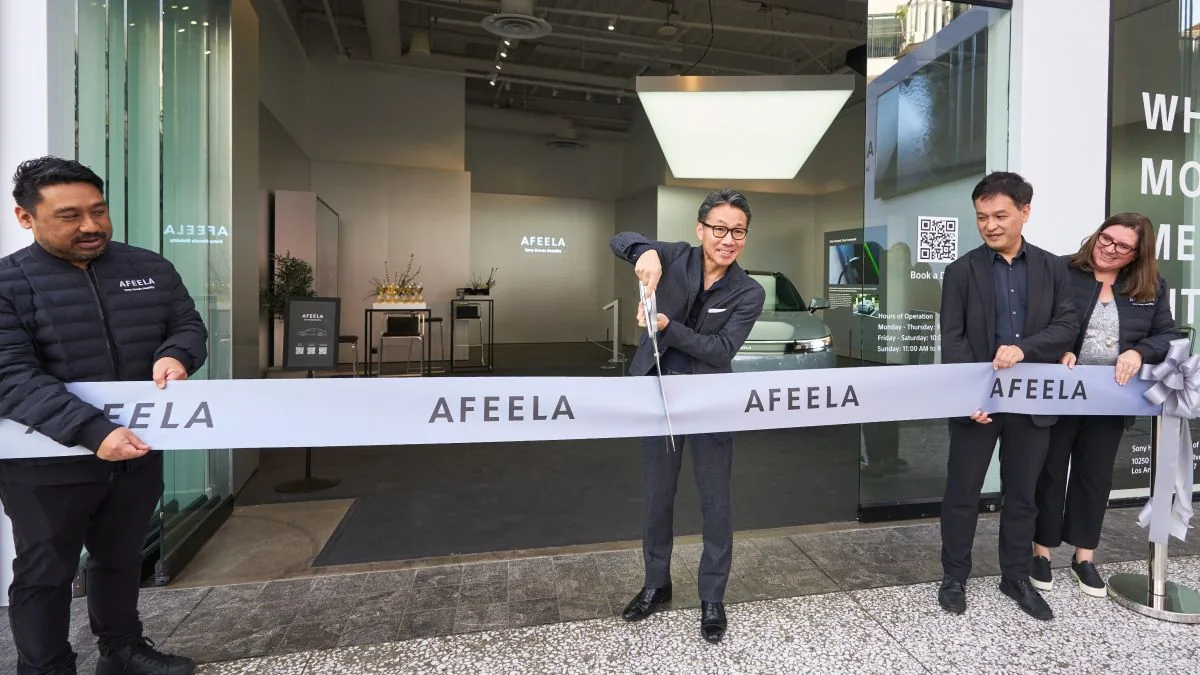
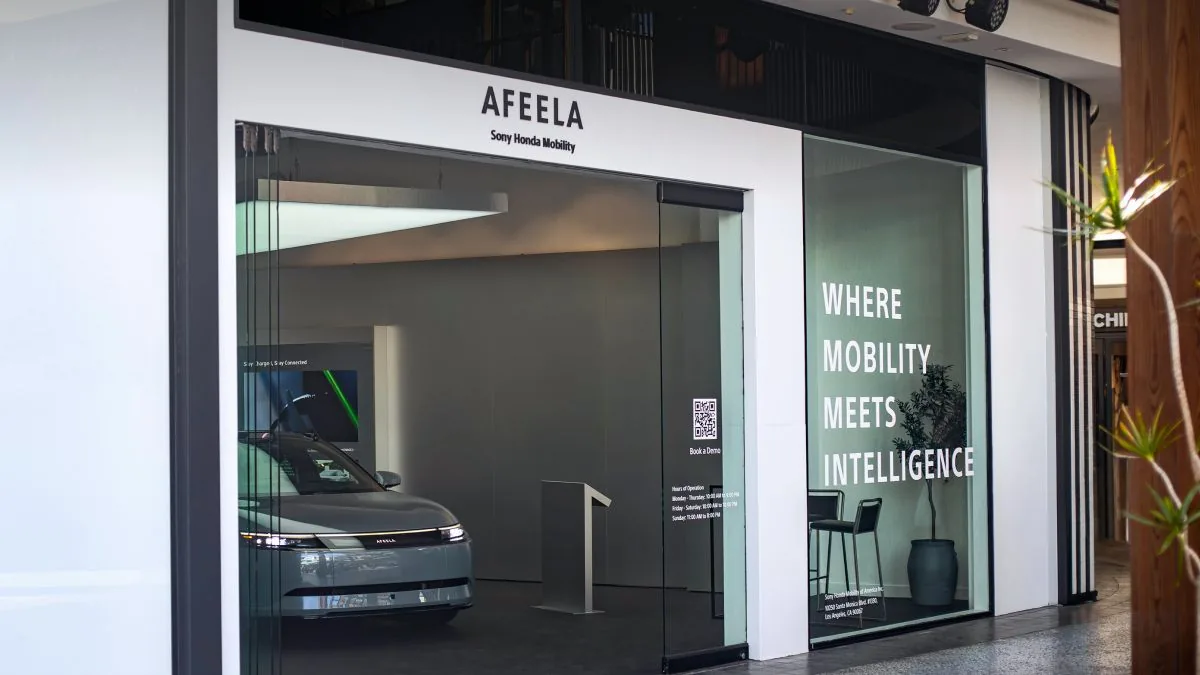
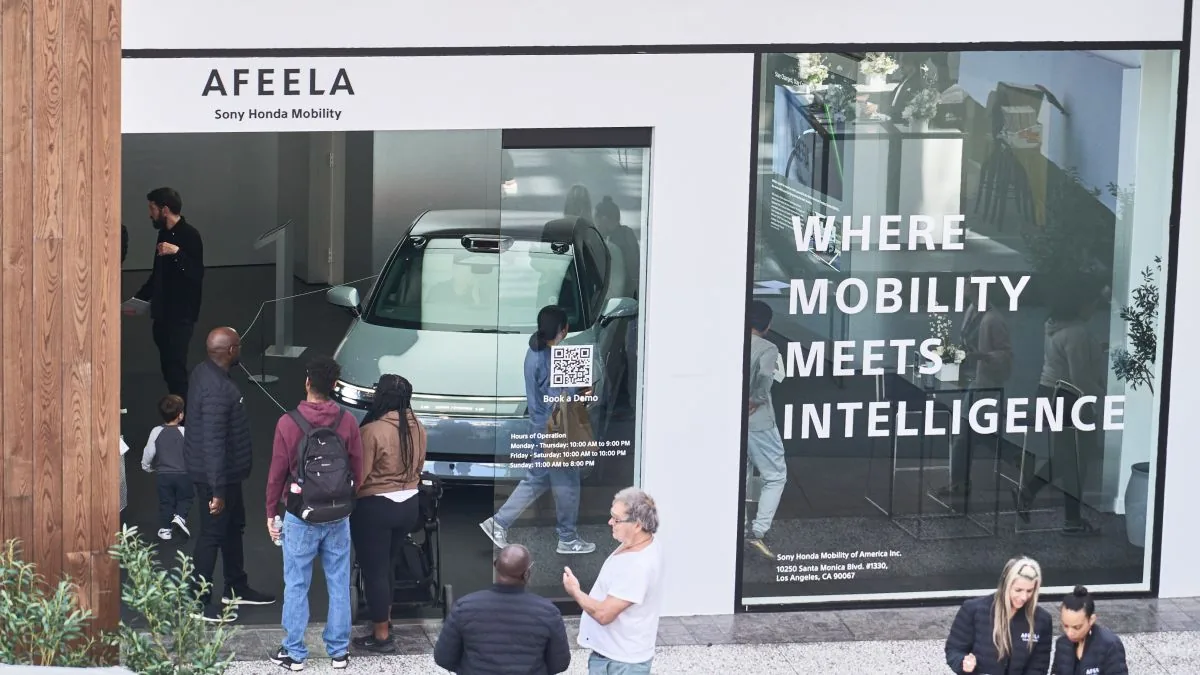
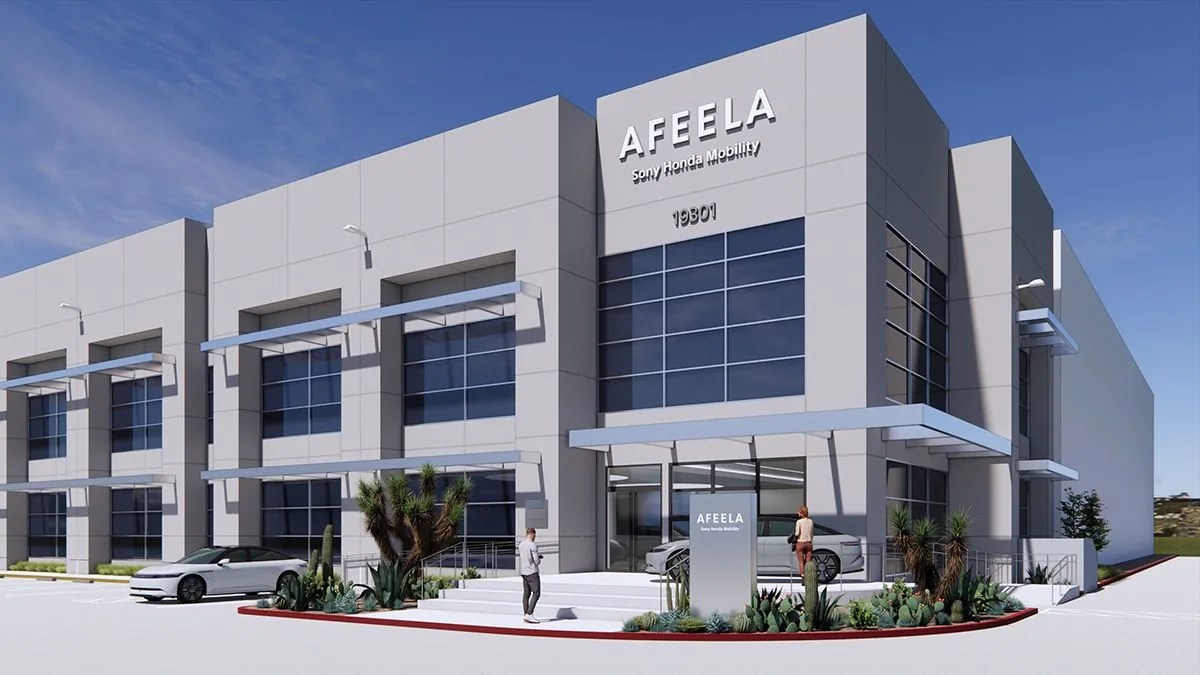
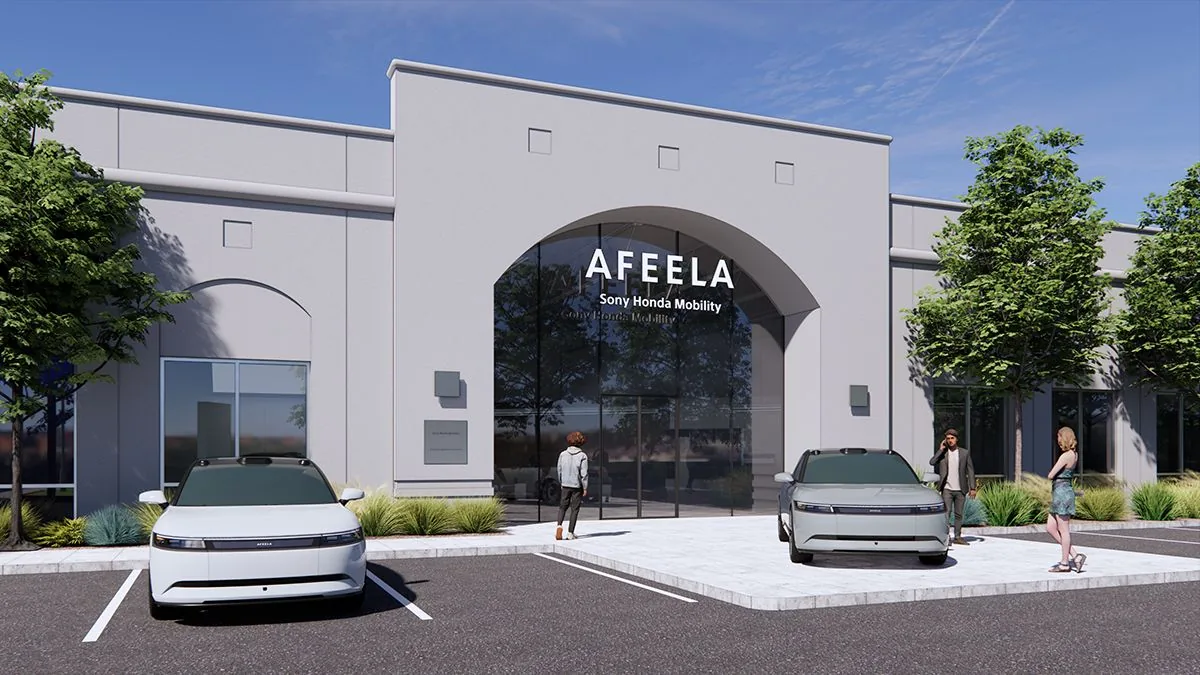
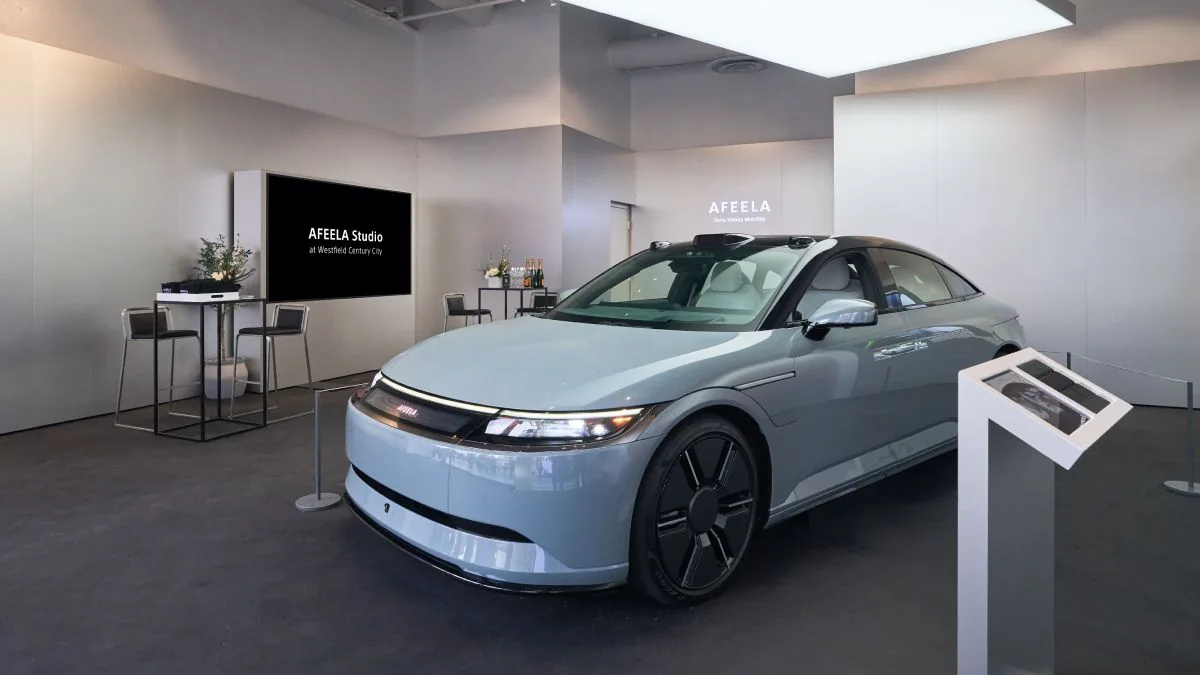
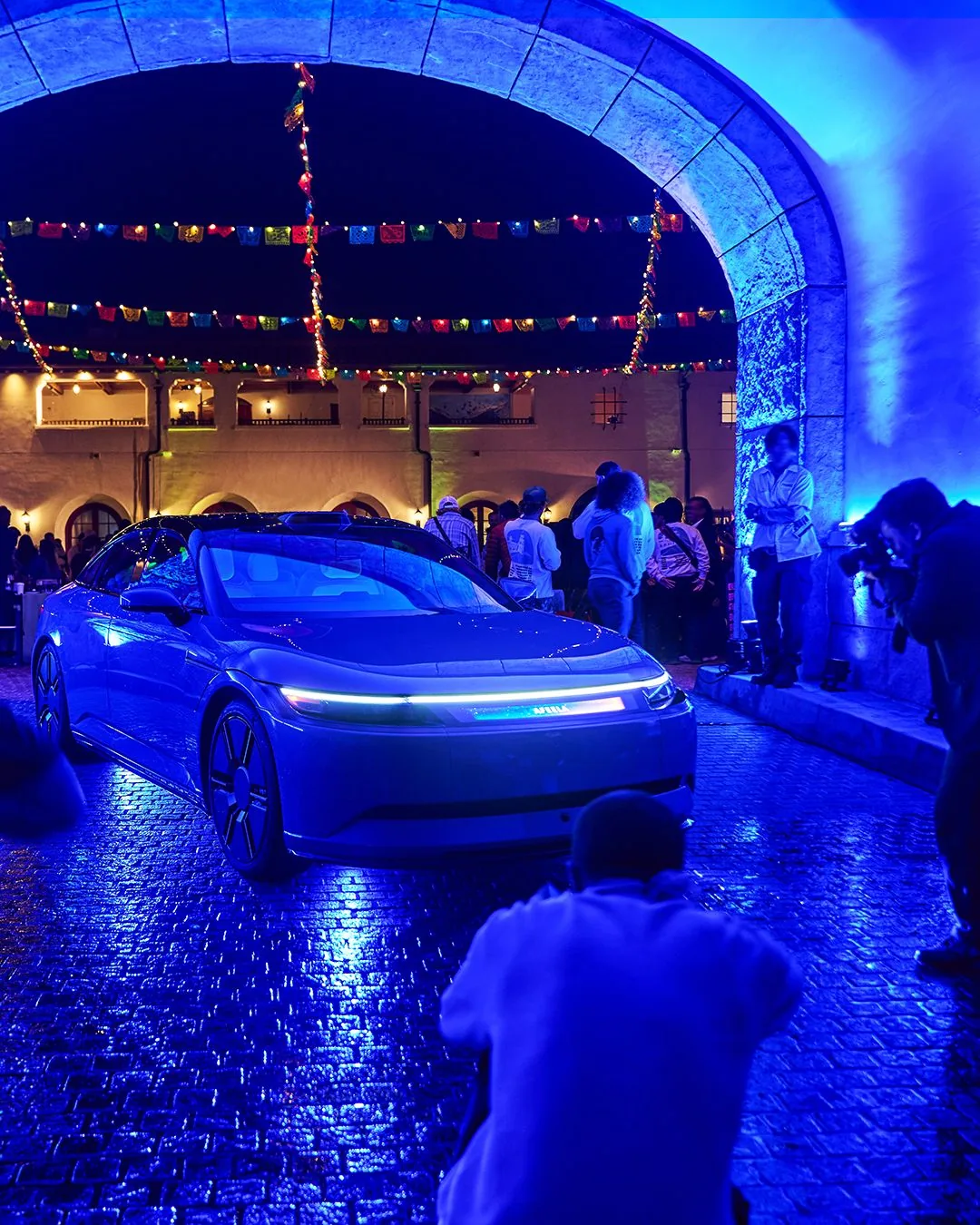
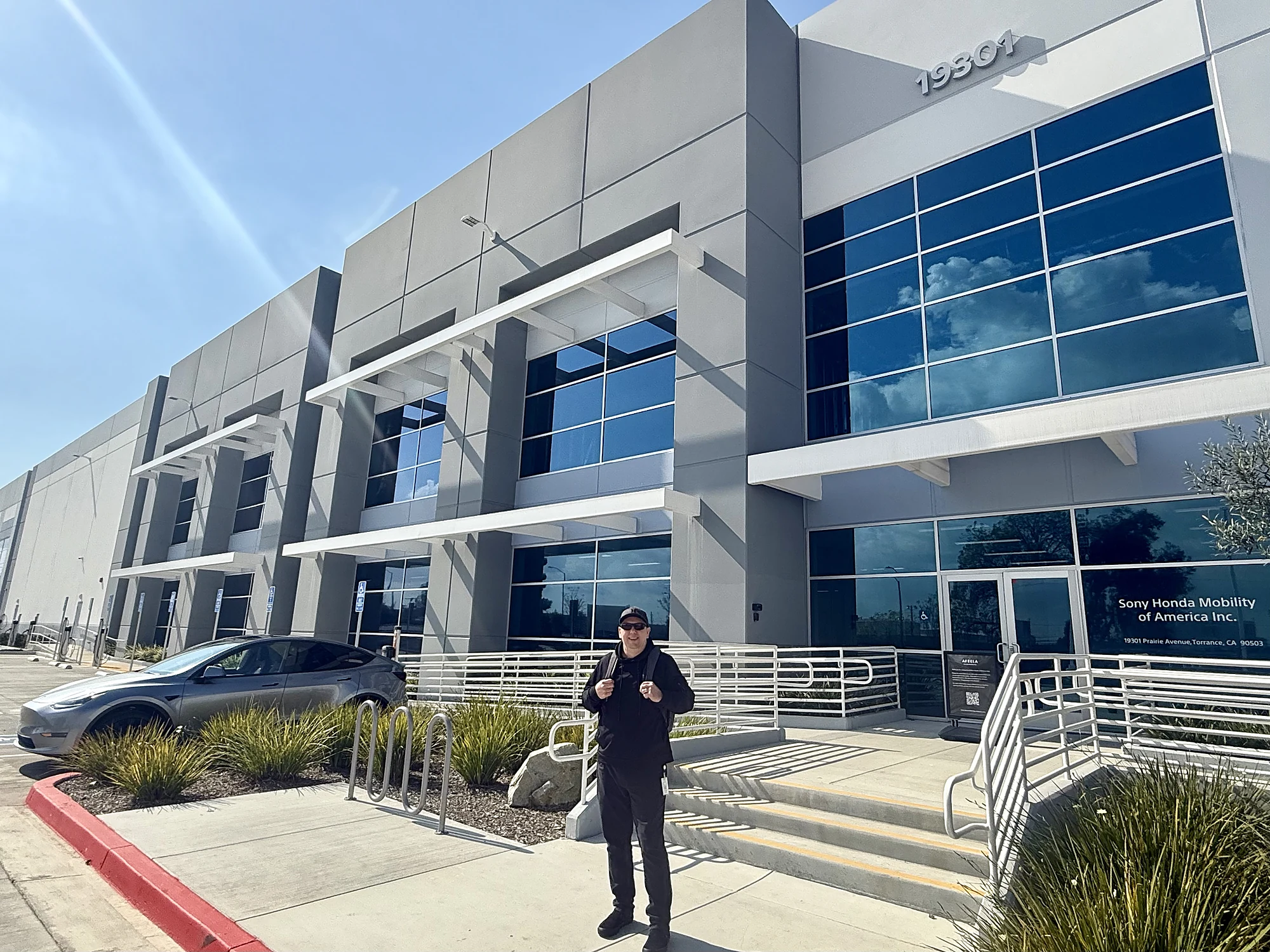
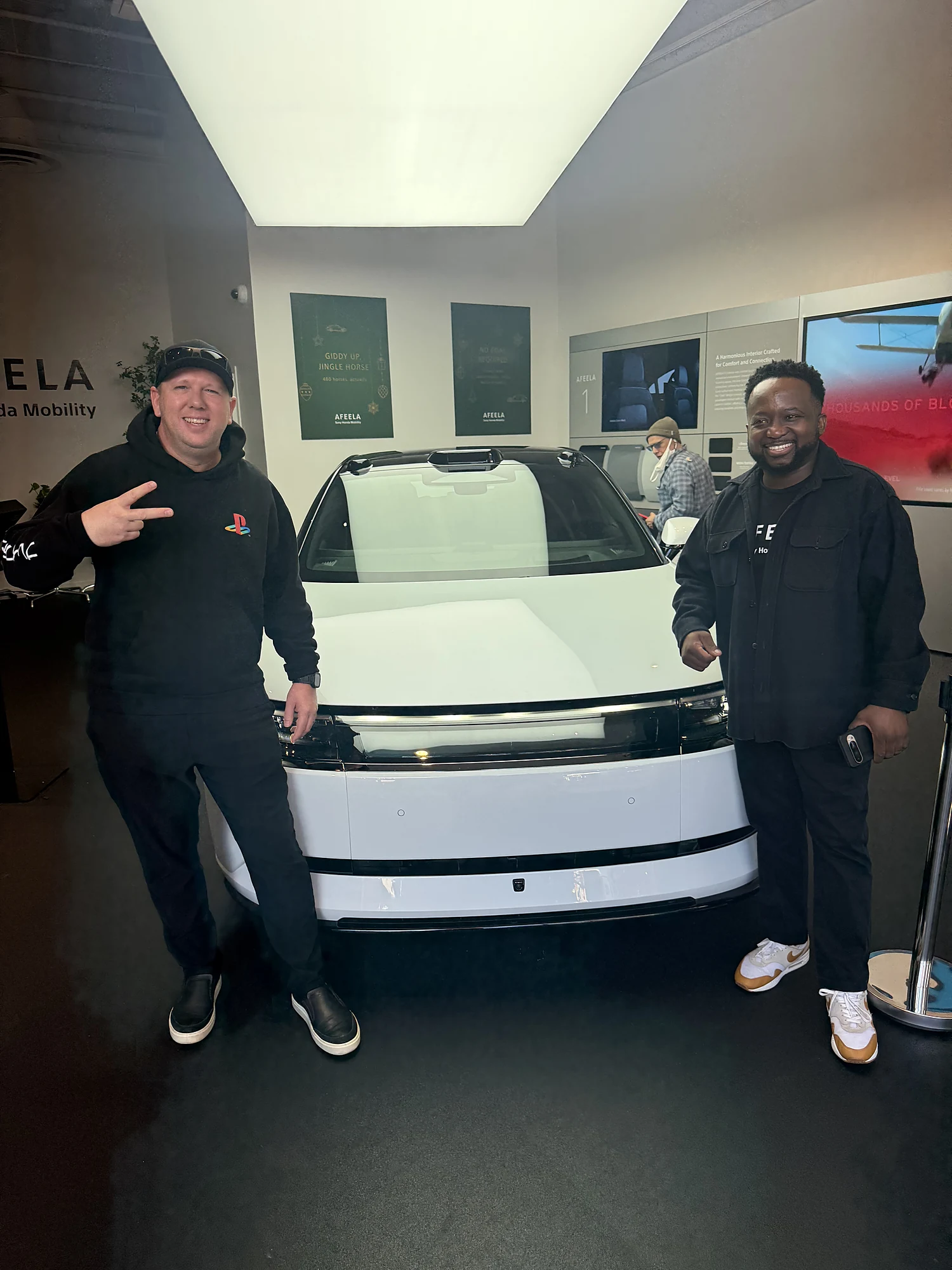
Sony Honda Mobility of America, in Torrance, California, was the U.S. arm formed to launch the car: sales through an AFEELA Studio in Torrance and a second in Fremont, delivery hubs, service, parts and customer engagement. Within weeks of CES the AFEELA 1 was the official car of the GRAMMY Awards red carpet, and the Torrance studio opened its doors to the public in February 2025.
Production was set for Honda’s plant in East Liberty, Ohio, where trial production began in January 2026. In 2026 Honda wound down its North American EV program, and the U.S. operation with it. The car, the team and the hiring record stand on their own.
Cameras, LiDAR, radar and ultrasonic sensors fed an onboard computer rated at up to 800 trillion operations per second, the compute budget of a data center GPU, in a car.
The company’s own perception, prediction and planning stack, built to cover a trip from the departure point to parking at the destination: Level 2+ assistance in wide-ranging conditions, Level 3 in specific ones.
A conversational in-car assistant developed with Microsoft’s Azure OpenAI Service, handling voice control, conversation and proactive suggestions.
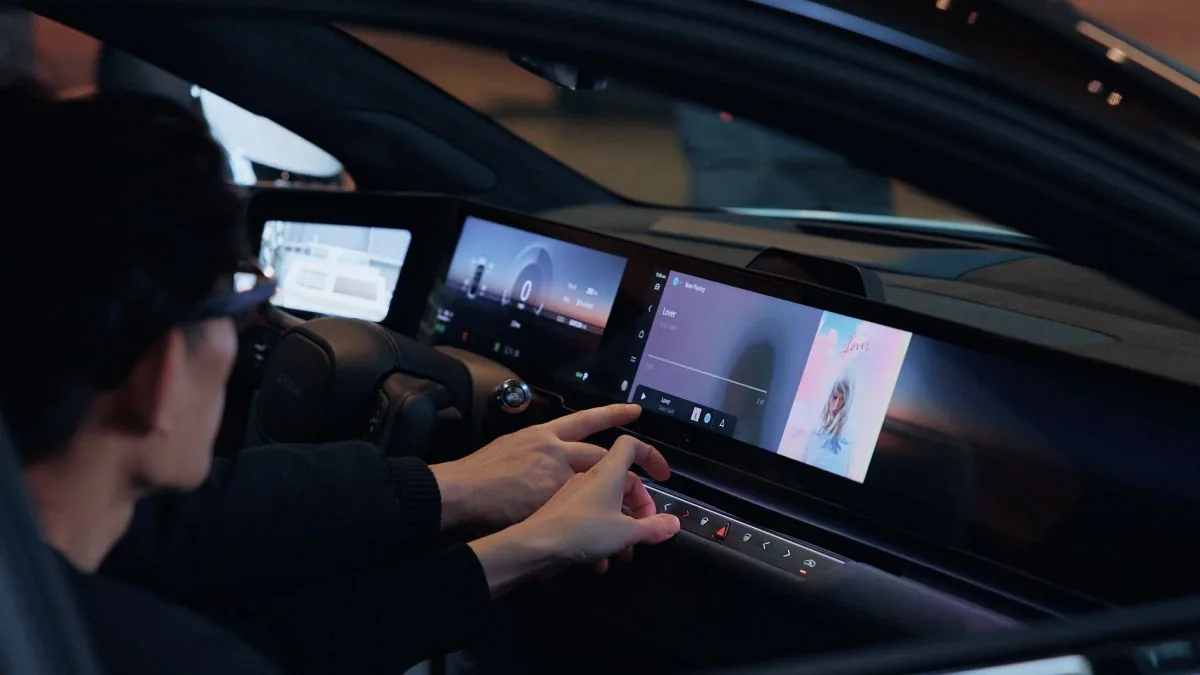
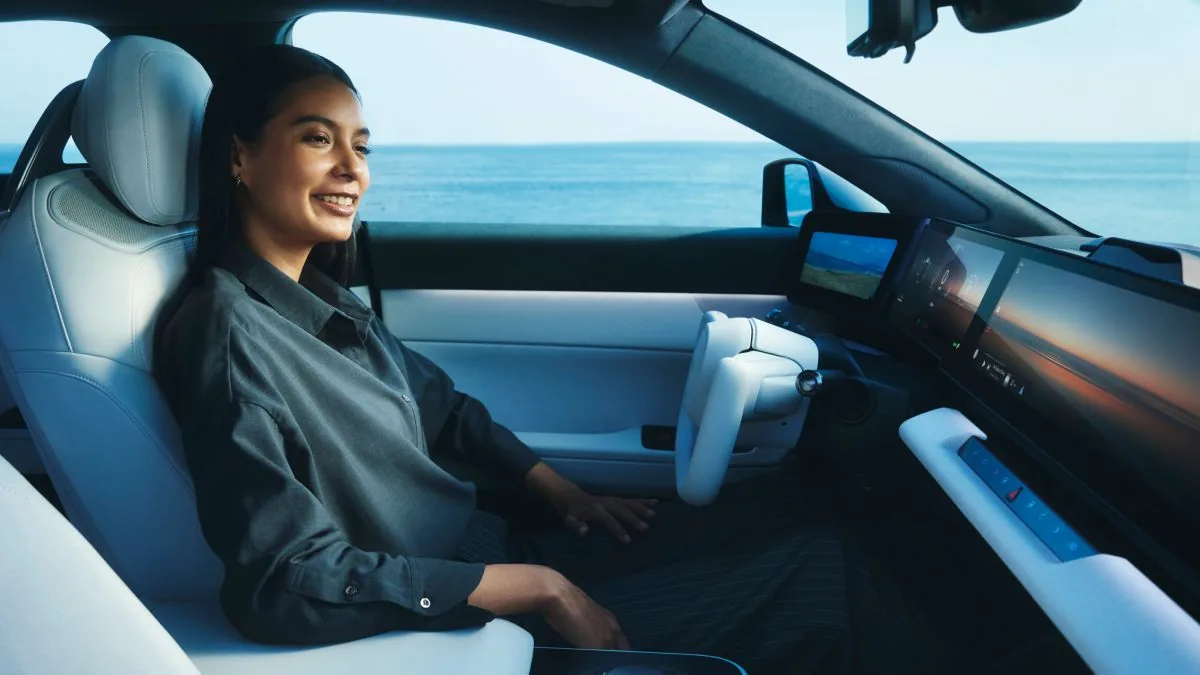
Epic Games’ Unreal Engine rendered the driver-assistance view and maps across a pillar-to-pillar display, with a screen for every seat and the software improving over the air.
Driven on stage by a DualSense controller at CES 2024, a Gran Turismo collaboration, and in December 2025 the first car announced with PS Remote Play, streaming a home PlayStation to the car.
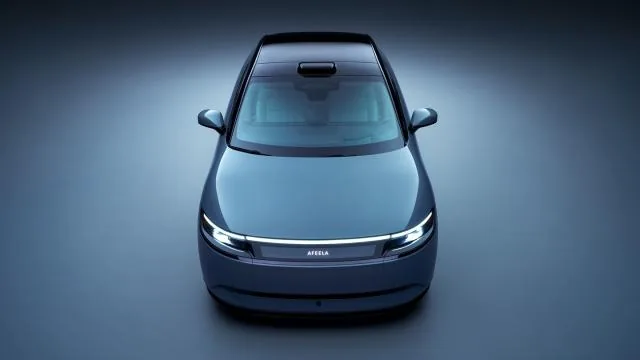
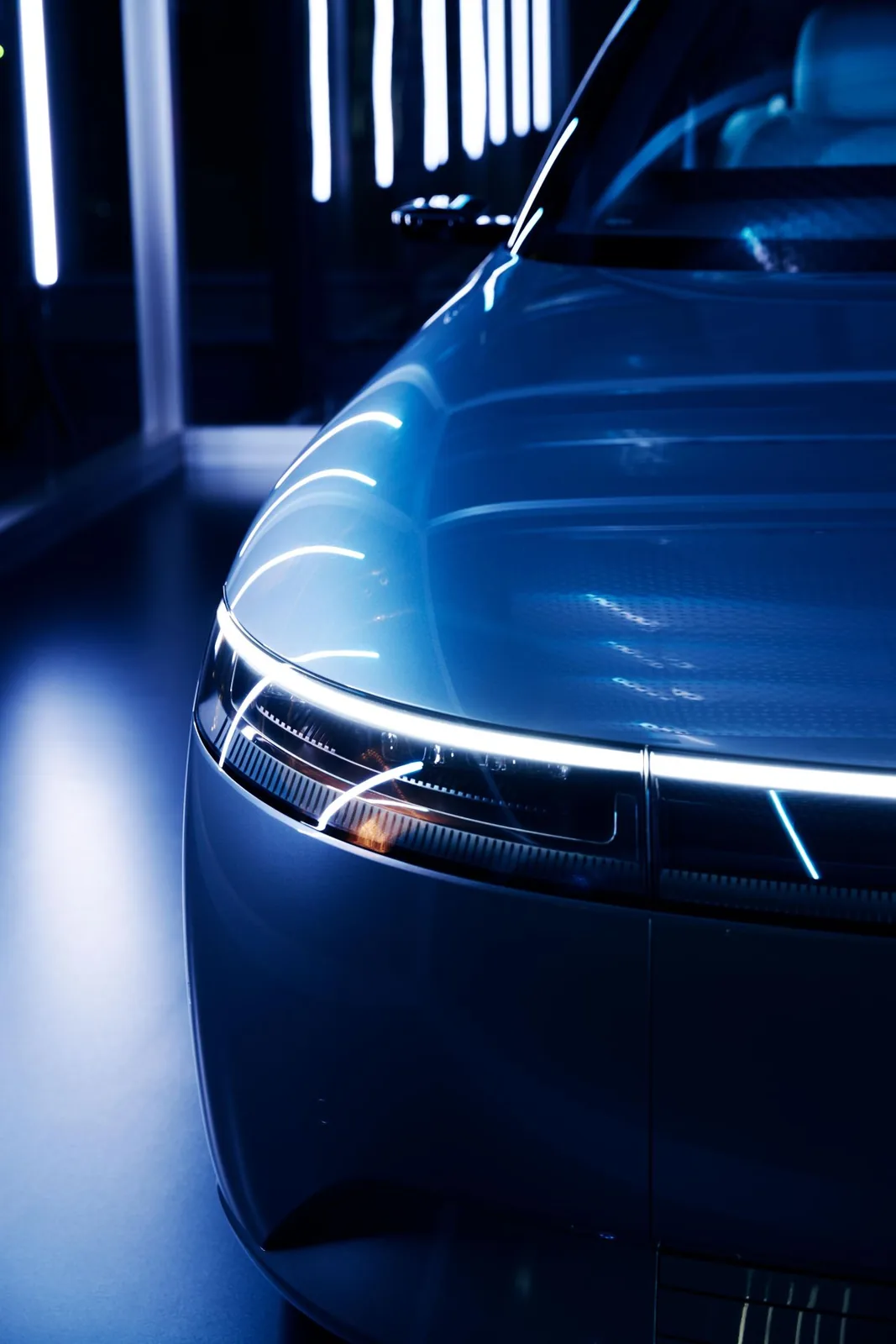
A display across the front of the car that could show messages to people outside it: the charge level, a greeting, the weather, a game score.
When I joined in early 2025 as the first dedicated recruiter, the U.S. company had about thirty employees and a launch to staff. Until then hiring ran through the HR manager and outside agencies, for every role. The applicant tracking system existed, but it was running at its defaults. The roles ahead were not one kind of hire: validation and quality engineers, service and parts leaders, customer engagement teams, marketing, finance, IT, legal, and several roles that needed fluent Japanese.
The first decision was the simplest: no more agencies. Every open search moved in house and no agency was used again for the rest of the program. The second was to make the system work for the hiring managers instead of around them. The ATS was built out around what each manager said a great hire looked like, in their own words. Nineteen hiring managers, from vice presidents to team leads, ran their searches through one recruiter and one process. The first hire started six weeks after I arrived.
Forty-eight hires across nine functions, from hourly showroom roles to Managing Counsel. U.S. headcount more than doubled. About $1.5M in agency fees were avoided, calculated on first-year salaries at a standard agency fee. Five of the hiring managers had already hired with me at Fisker and chose to do it again. Ten of the company’s leaders, including the VP of People Operations, the VP of Engineering and the General Counsel, wrote formal reference letters.
When the program wound down, I built the SHMA alumni network: a private LinkedIn group, a contact list, a public talent directory for recruiters and hiring managers, and a Talent Spotlight series introducing my colleagues to my professional network. The team that built the car deserved a landing.
Candidates found and approached directly, including engineers and quality specialists with long, stable careers at established automakers.
Every candidate heard how the company paid, what it could and could not offer, and the honest risks of joining a launch, in the first conversation. That is why 48 of 49 offers were accepted.
Weekly video check-ins with every hiring manager, prepared shortlists, follow-up between meetings. Remote, with on-site weeks for the start and the milestones.
On average 14 days to source a slate, 27 days from first contact to hire, and 42 days from opening a role to filling it.
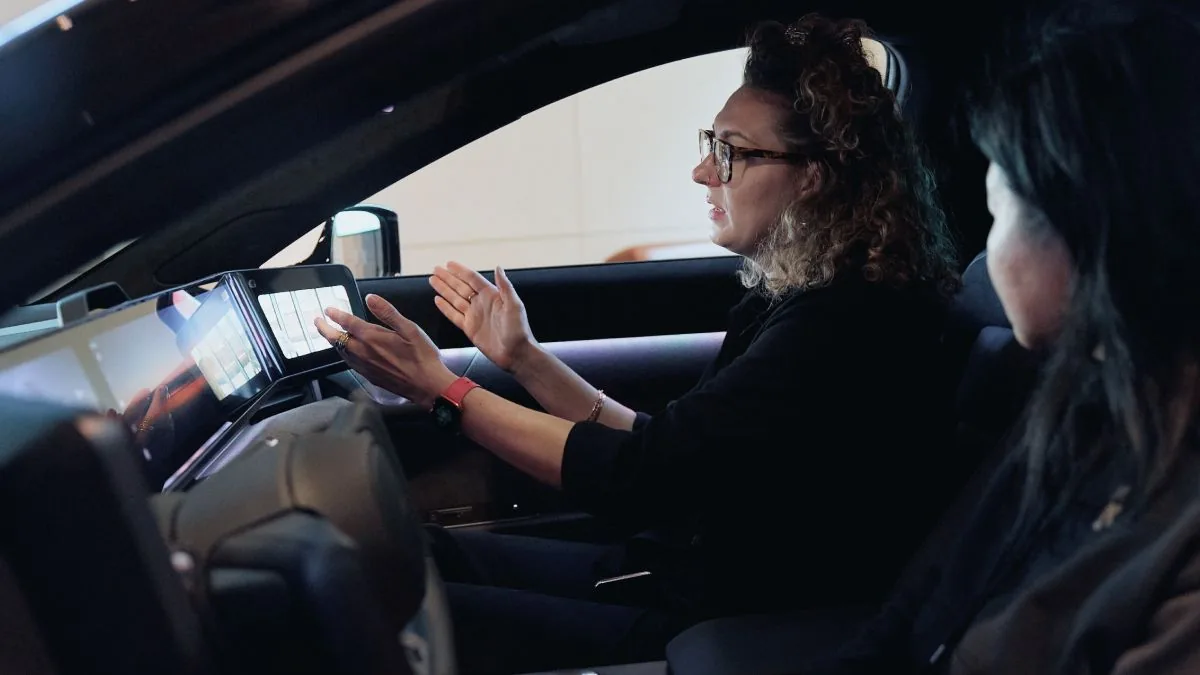
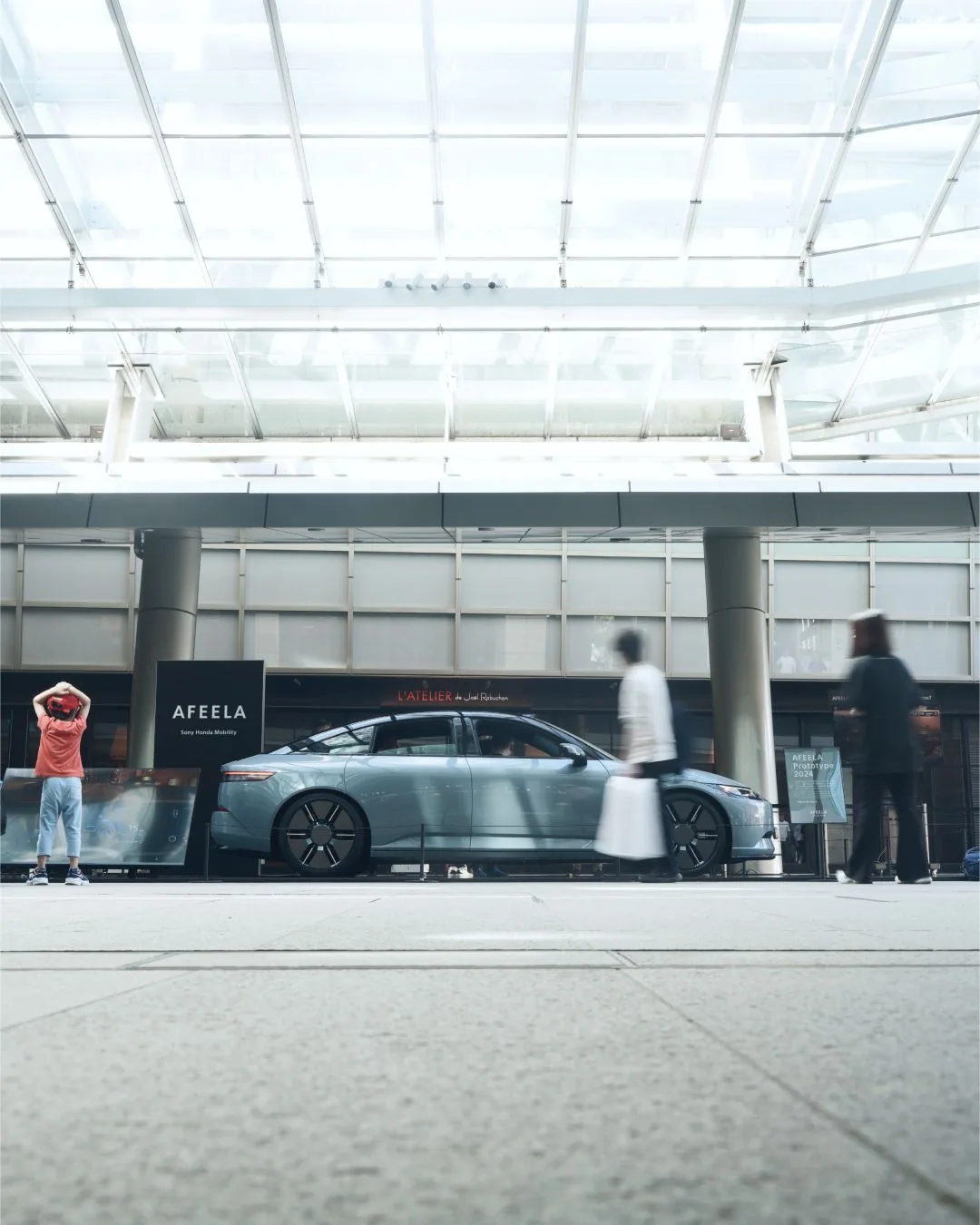
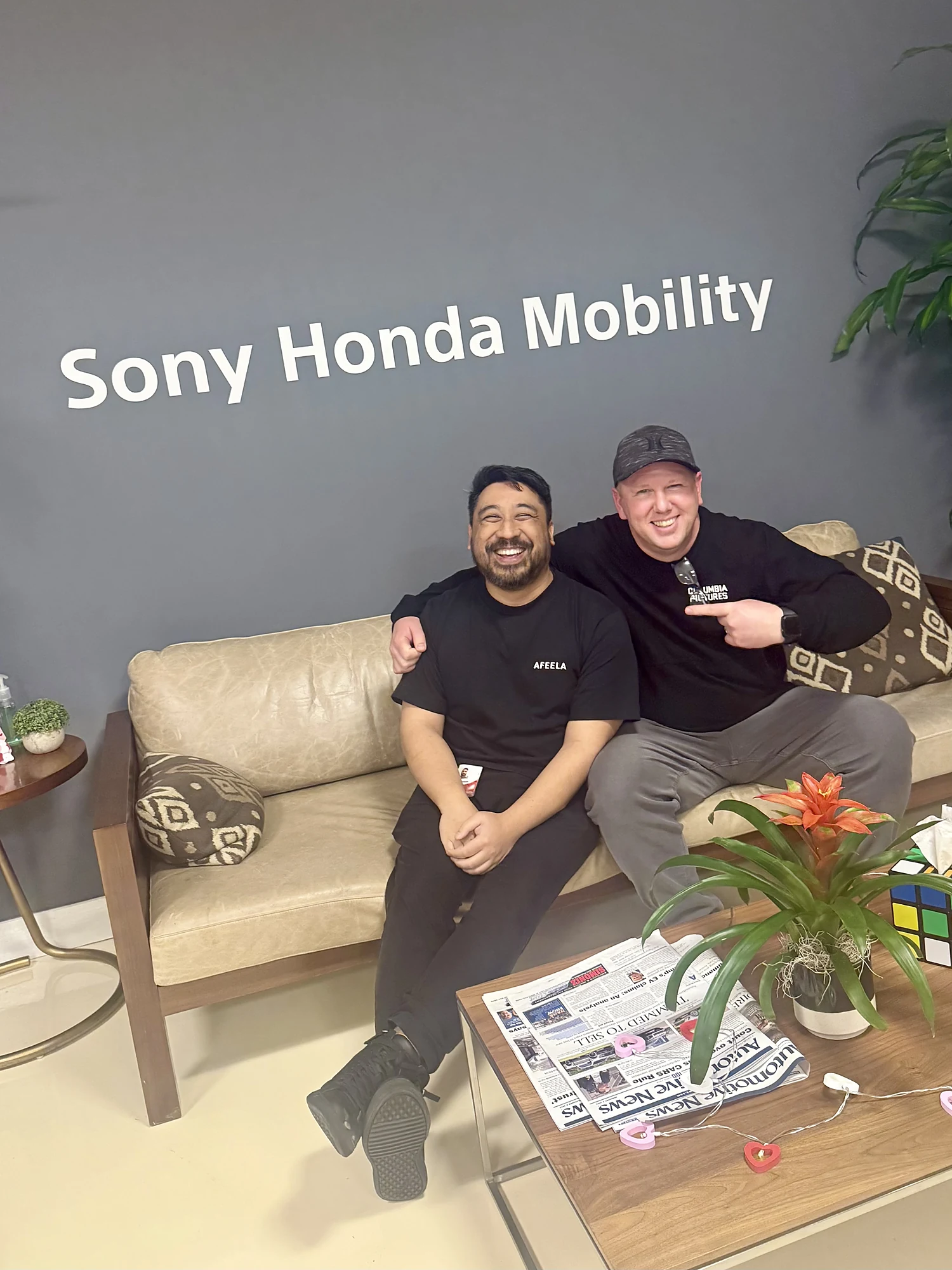
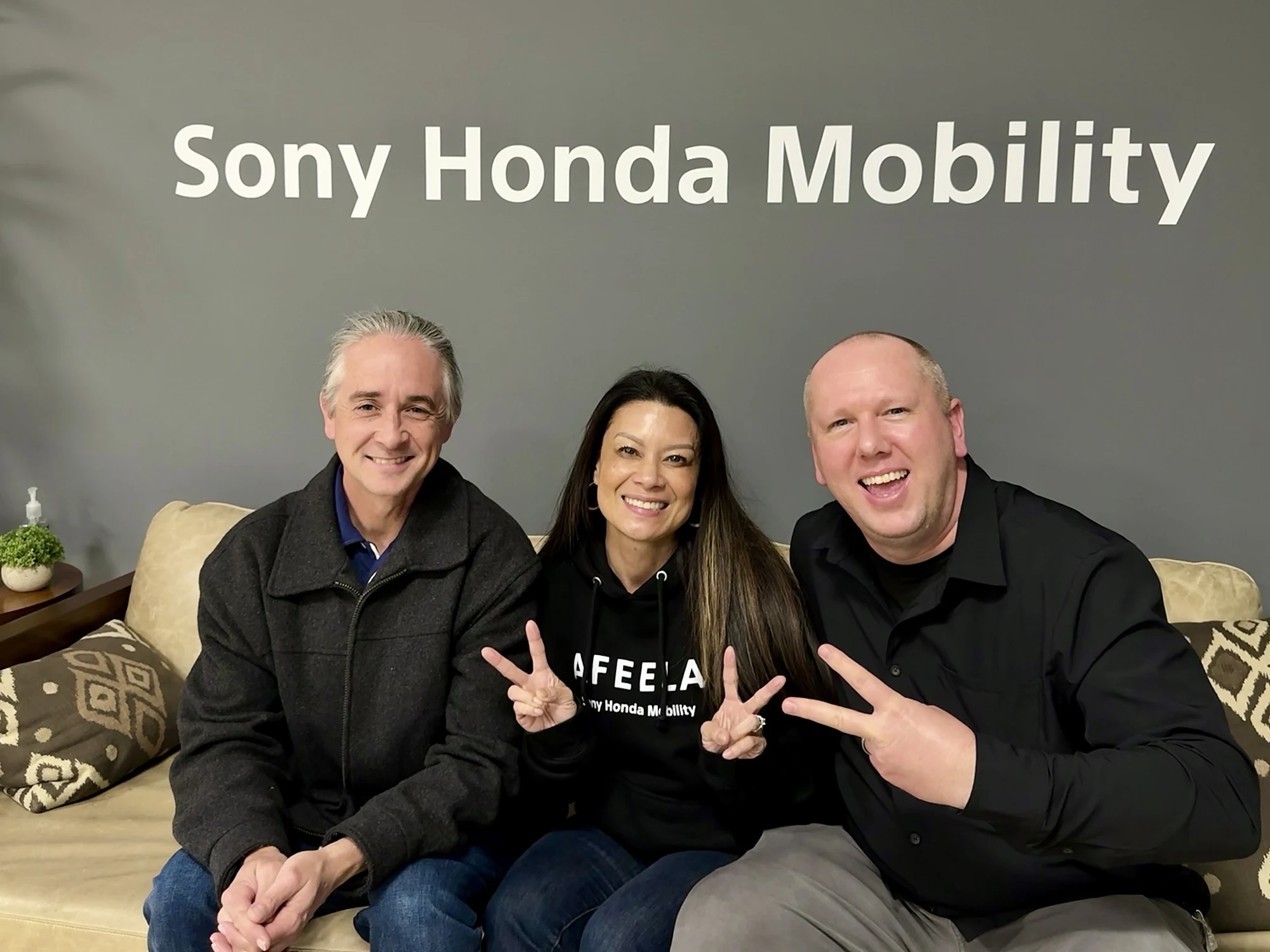
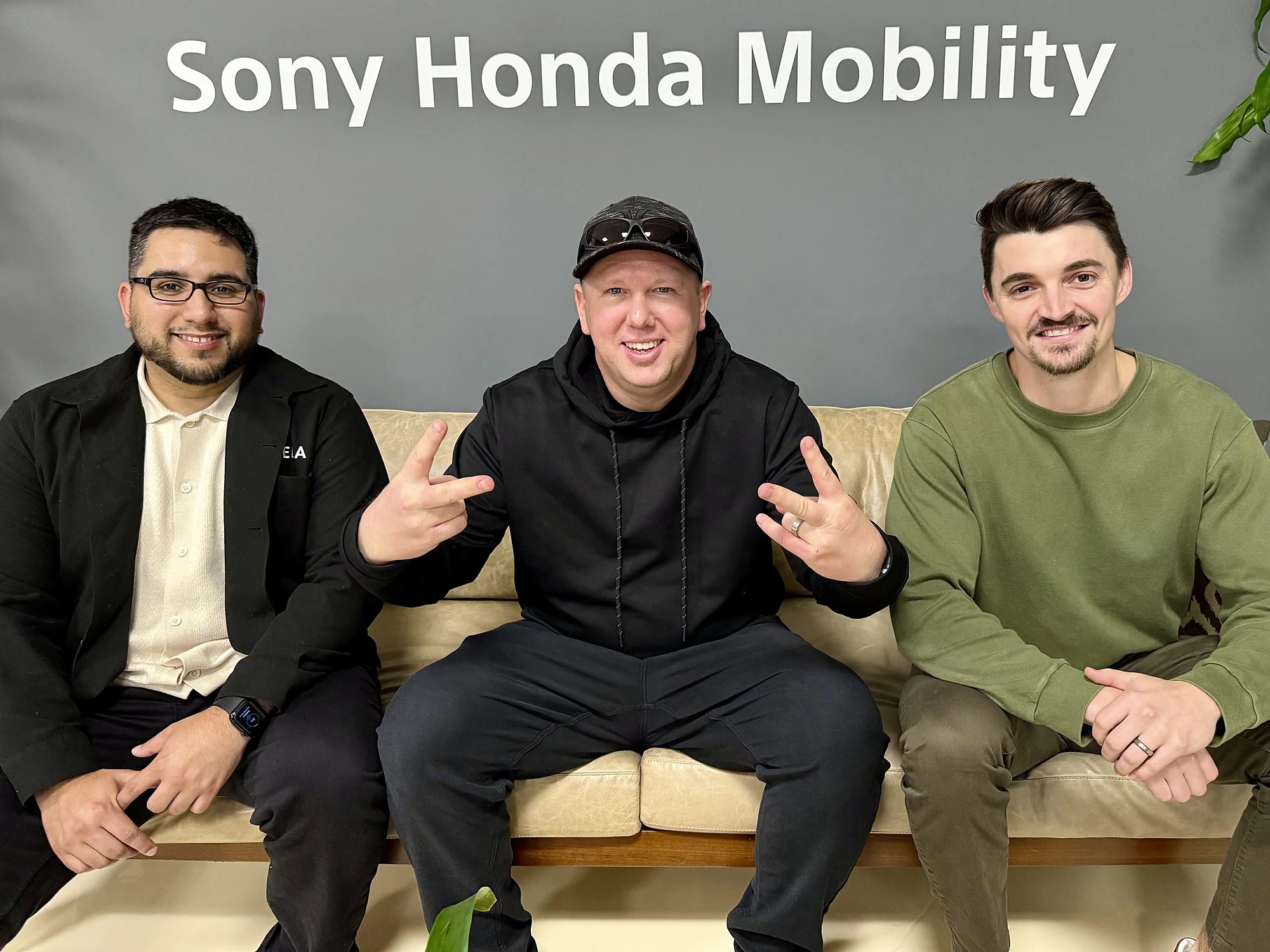
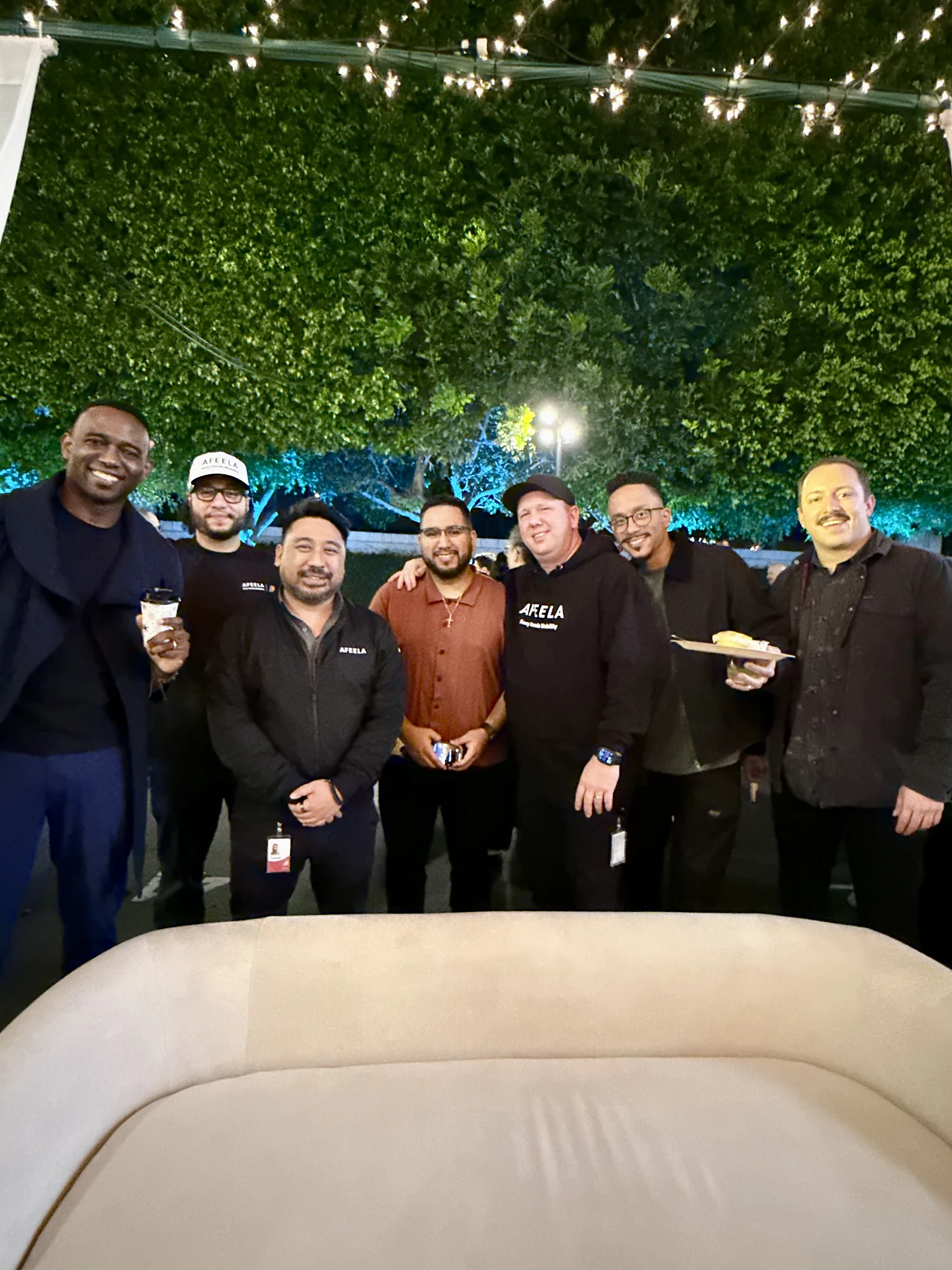
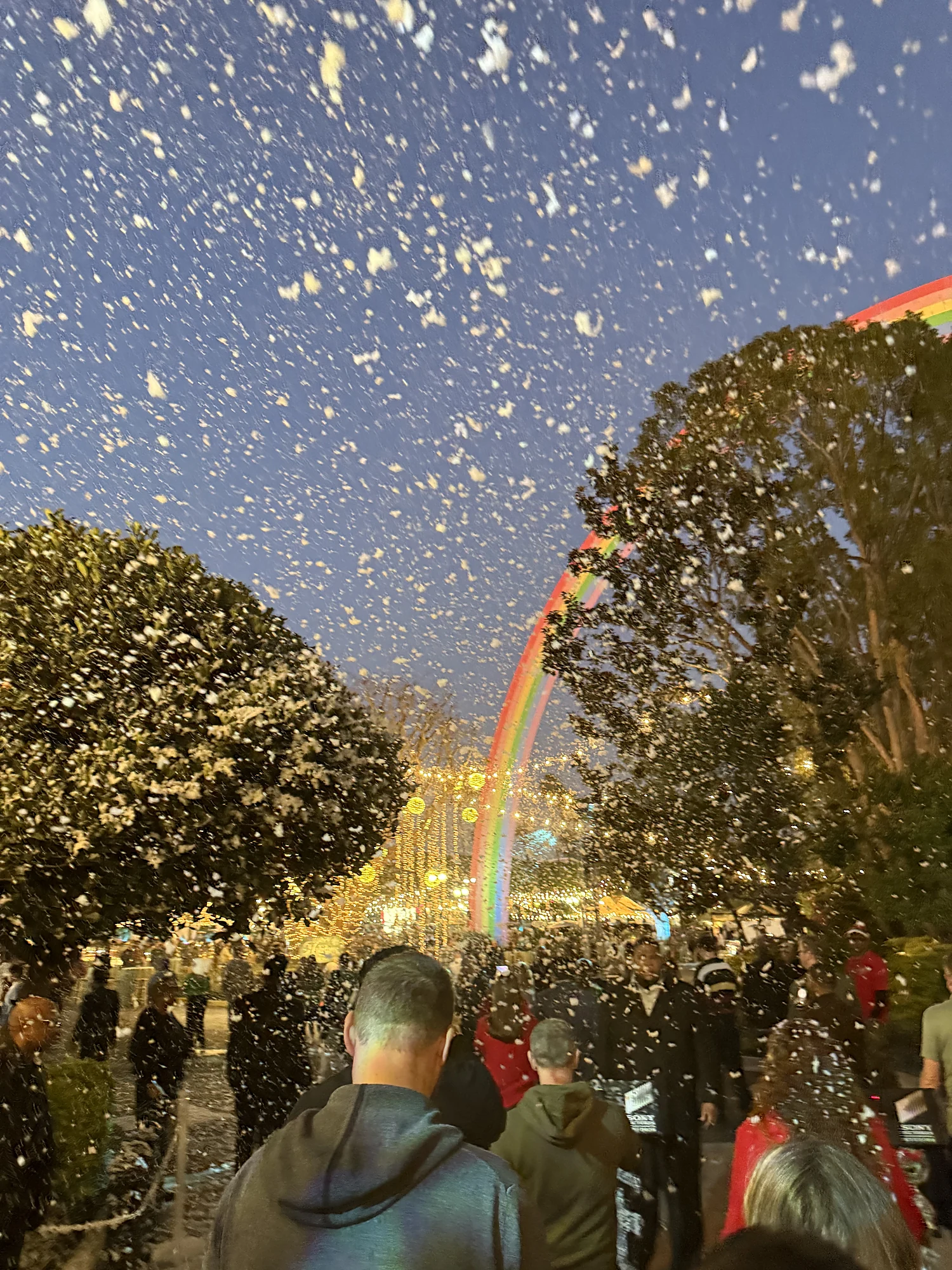
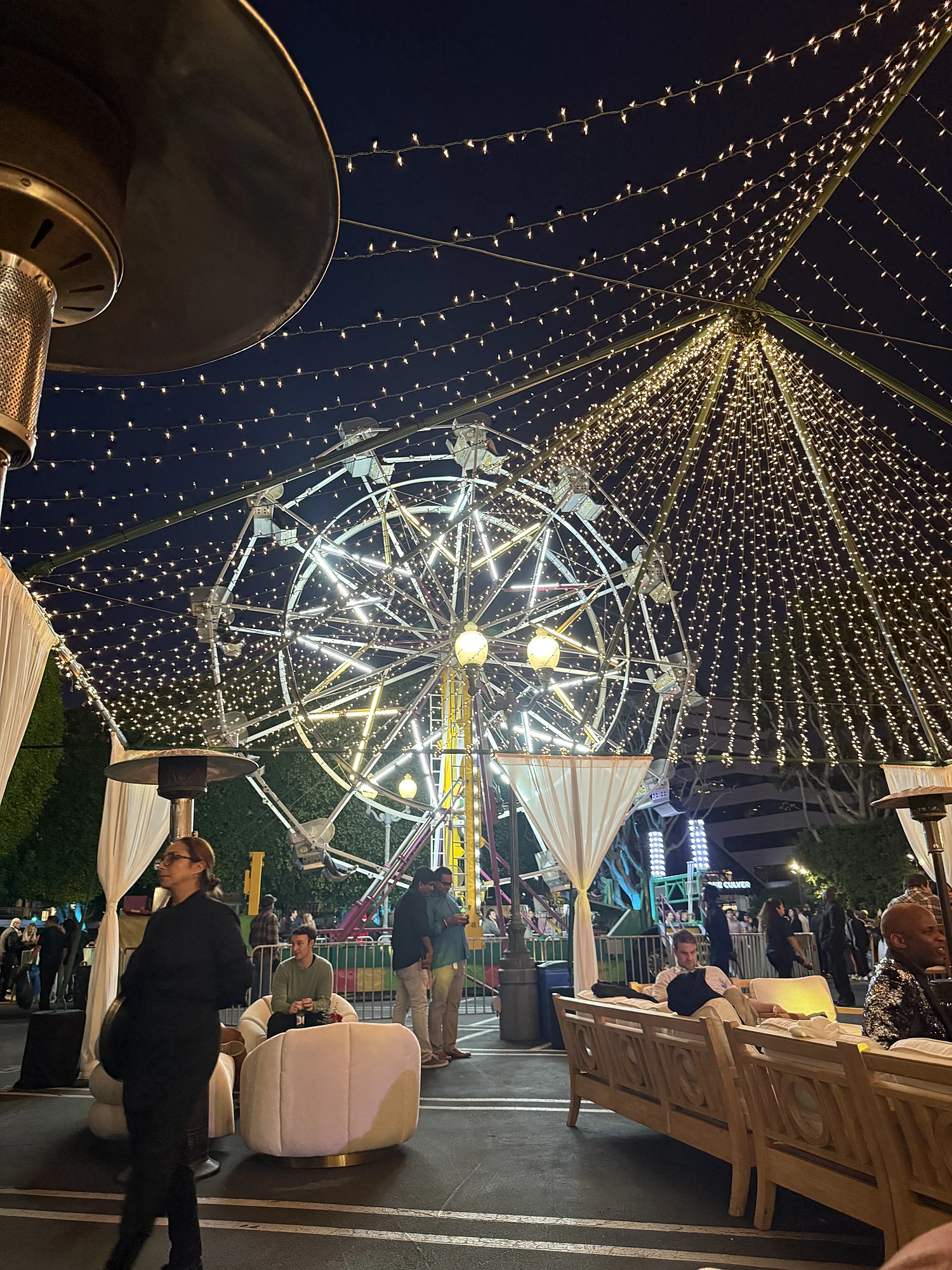
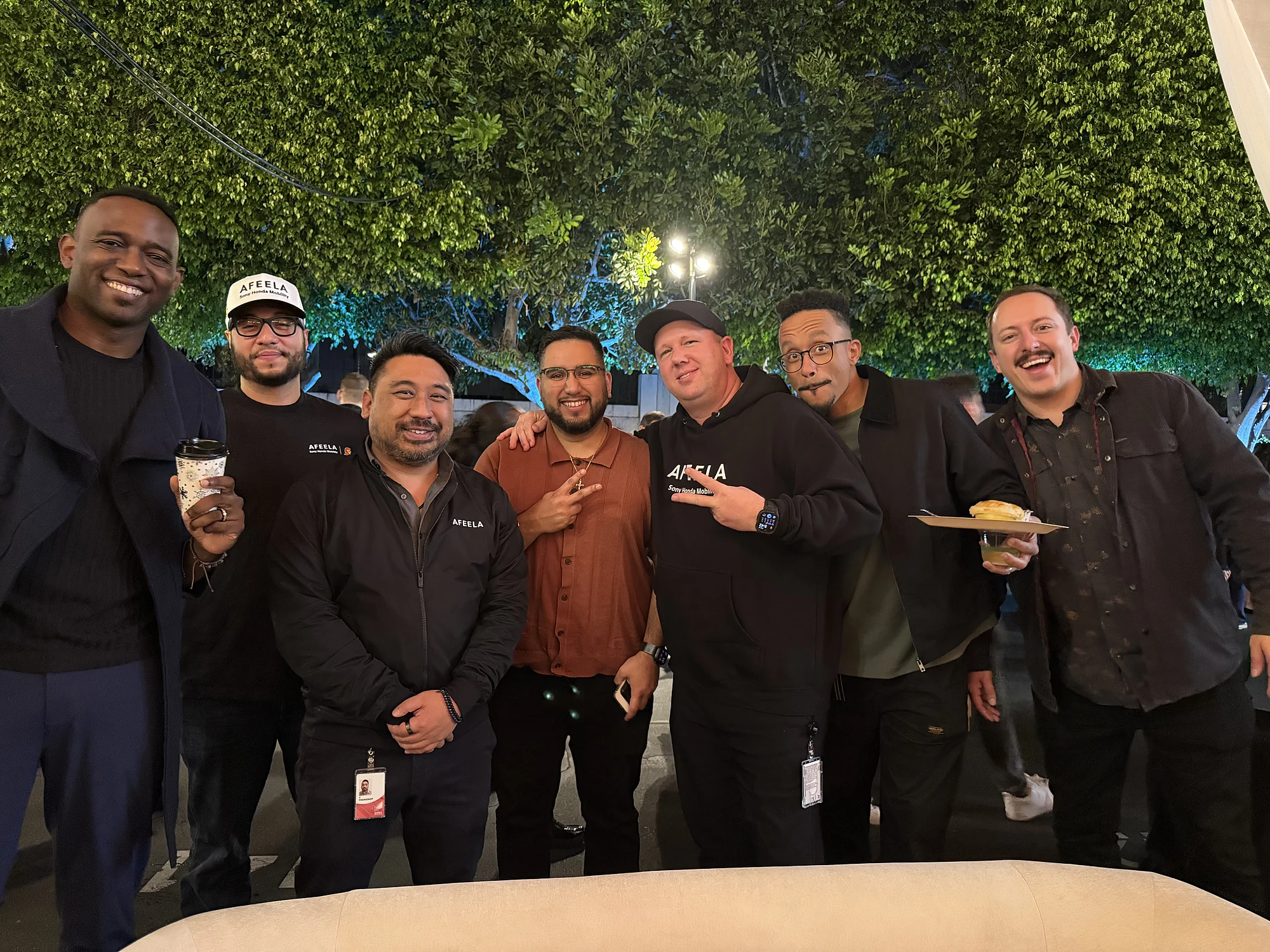
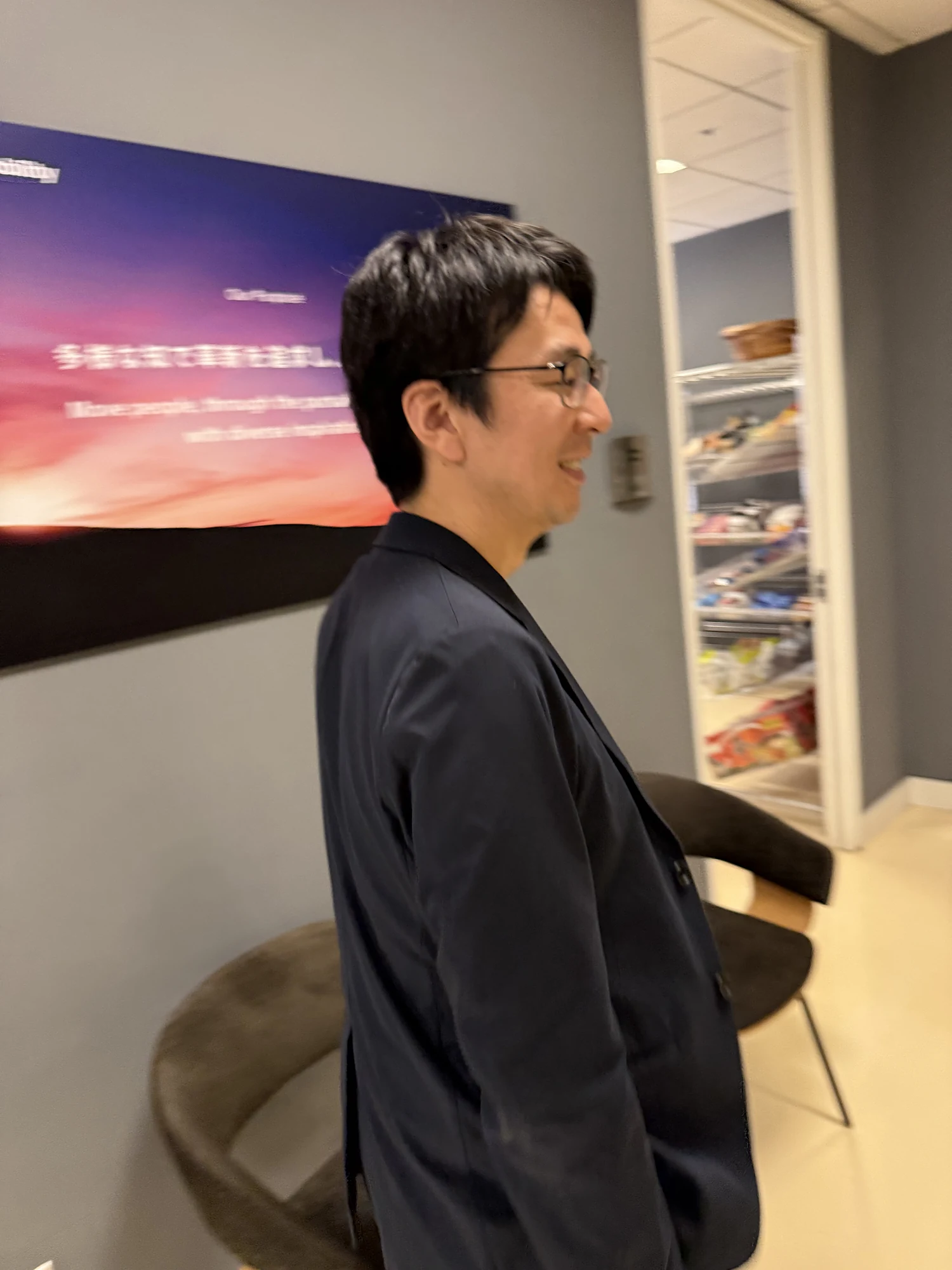
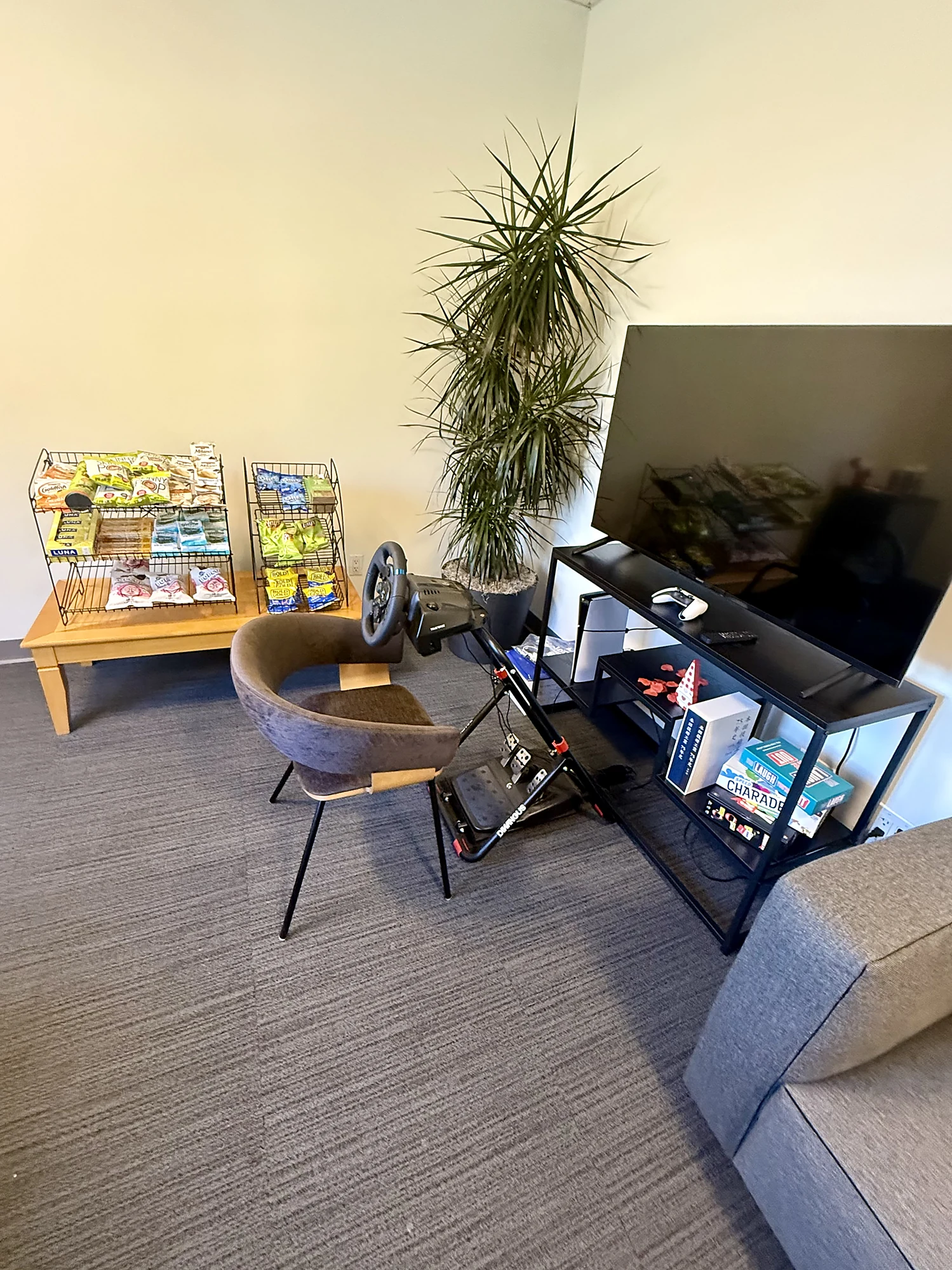
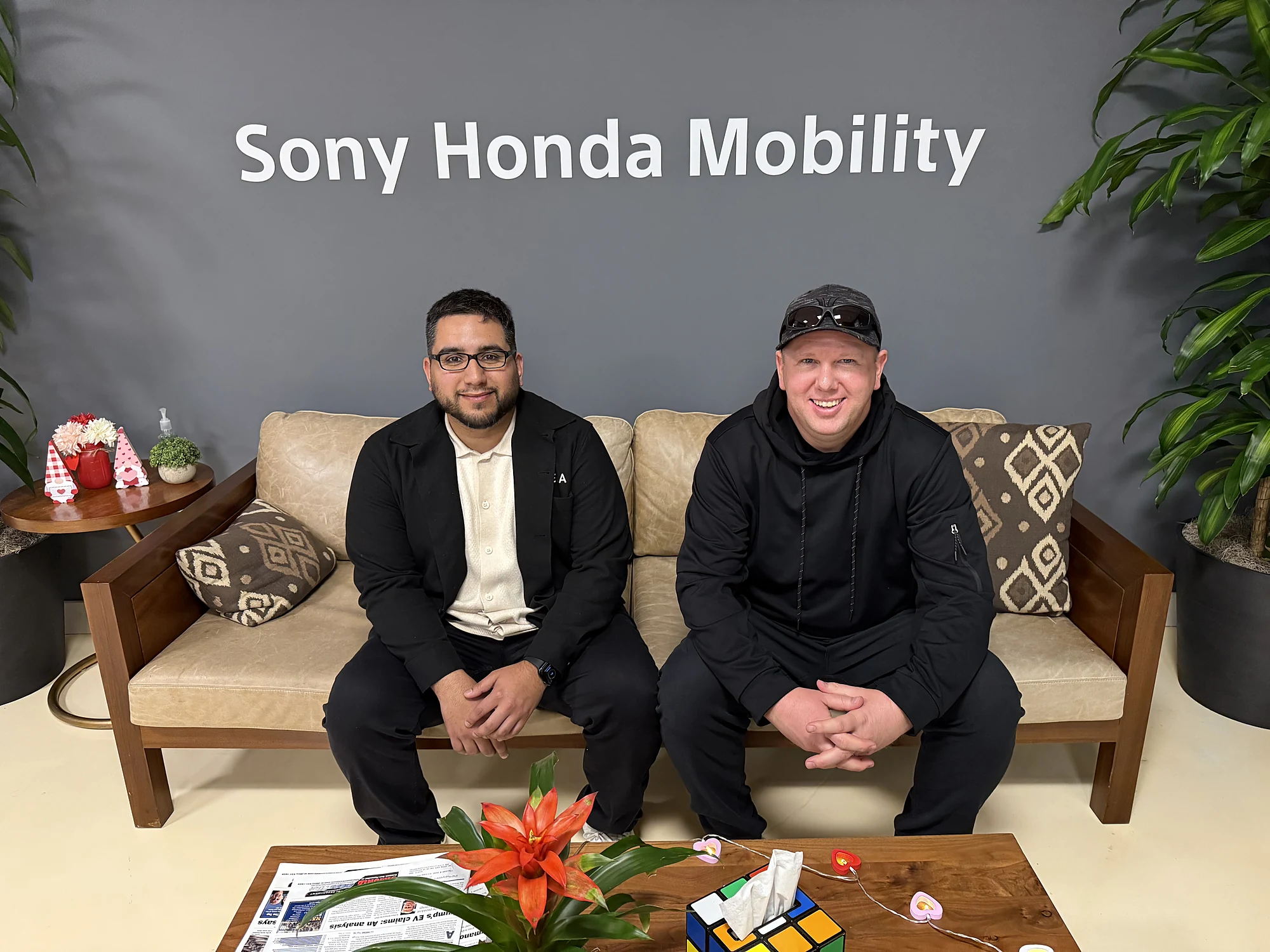
Sony Honda Mobility of America ran from the Sony Pictures Studios lot in Culver City, with AFEELA Studios placed where the customers were: Beverly Hills, Century City, San Diego, San Jose at Westfield Valley Fair, Corte Madera in Marin, and the first of them in Torrance. Two delivery hubs, in Torrance and Fremont, were built to hand the cars over. The team was spread across all of it, and most of the people in these photos were hires I made.
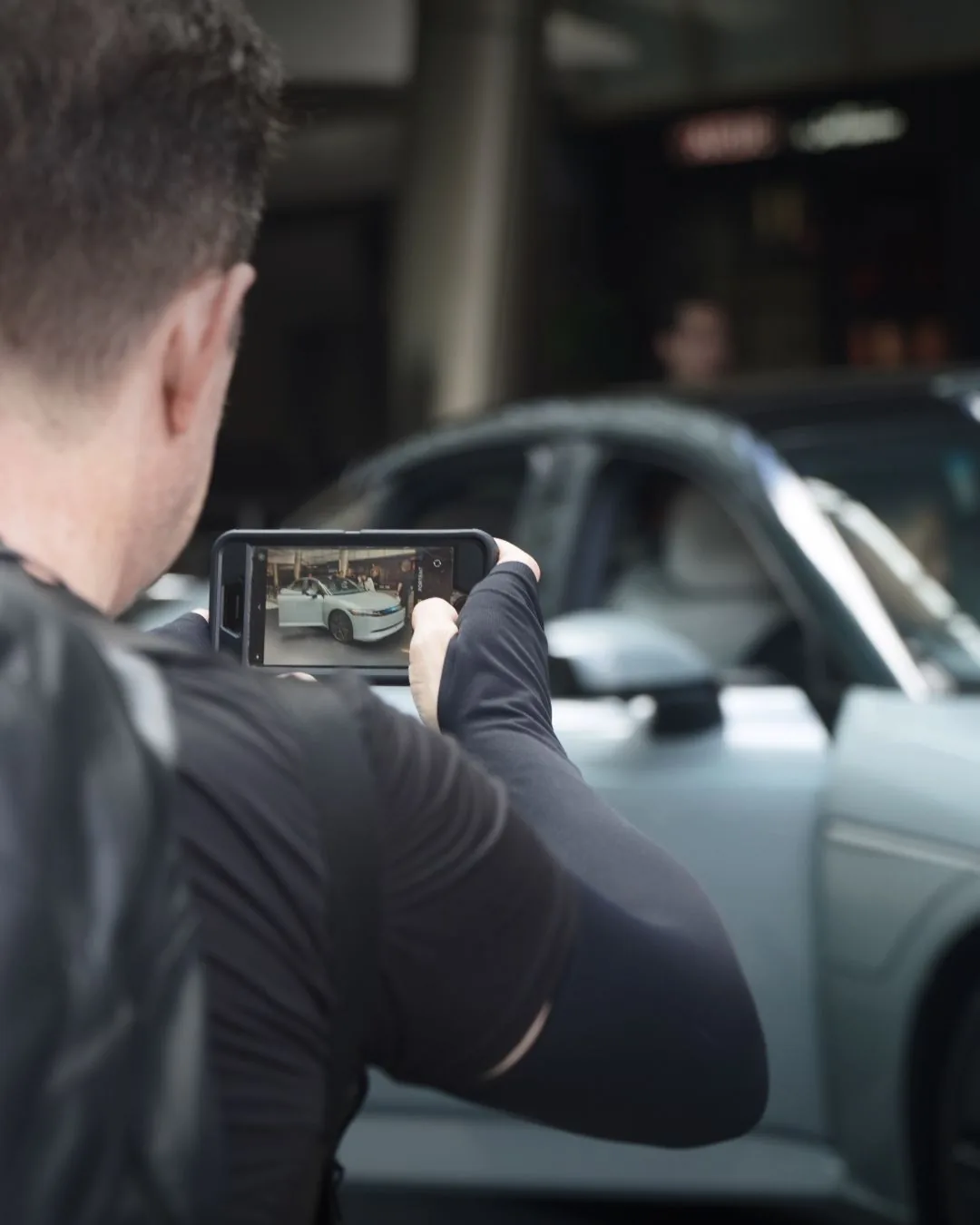
Most of these were taken with my phone: the Culver City offices, the Torrance Studio and Delivery Hub, and the team evenings.
Select any photo to view it full size.
Although Larry worked primarily remotely, his impact was no different from someone embedded onsite every day.
Maria VillegasVP, People Operations, Sony Honda Mobility of AmericaWhat impressed me most was Larry’s ability to quickly understand exactly what kind of engineers we needed in a very competitive autonomous and ADAS talent market, and then deliver strong candidates with remarkable speed and accuracy.
Kojiro UmemuraVP, Engineering, Sony Honda Mobility of AmericaThis was the most effective recruiter partnership I have experienced.
Shawn WagnerMarket Quality Manager, Sony Honda Mobility of AmericaTwenty to fifty hires against a date, planned backward from the launch, with the agency bill removed from the start.